What Causes Septic System Failure?
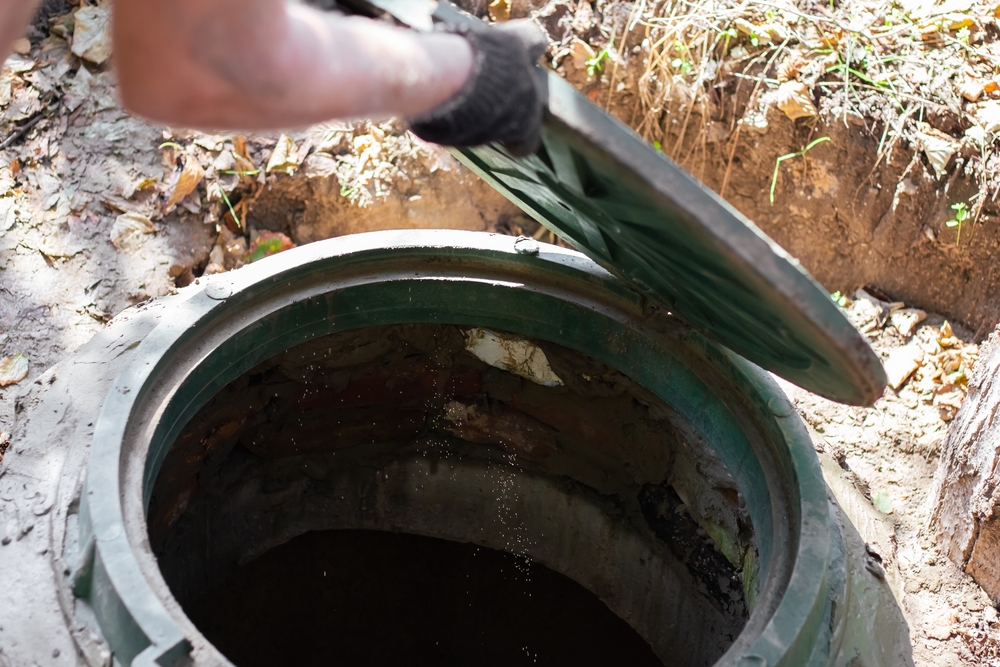
Septic system problems rarely happen without warning. In the Cleveland, TX area, heavy rainfall, clay-rich soils, aging systems, and routine wear can all contribute to septic issues that disrupt daily life and lead to expensive repairs if ignored.
Quick Answer
Septic system failure is most commonly caused by poor maintenance, excessive water use, clogged drain fields, tree root intrusion, damaged components, and aging equipment. In areas like Cleveland, TX, frequent rain, saturated ground, and soil conditions can place additional stress on septic systems, making regular inspections and pumping especially important.
What Local Readers Should Know
- Regular septic pumping helps prevent solids from reaching the drain field and causing permanent damage.
- Heavy rain in Liberty County can temporarily saturate drain fields and reduce their ability to absorb wastewater.
- Flushing wipes, grease, and non-biodegradable materials is one of the leading preventable causes of septic failure.
- Tree roots commonly invade older septic lines throughout East Texas, creating blockages and leaks.
- Routine inspections help identify small problems before they become costly emergency repairs.
Why This Matters Locally
Septic systems are common throughout Cleveland, as well as nearby communities such as Shepherd, Splendora, Tarkington Prairie, and New Caney. Many properties rely on private wastewater systems instead of municipal sewer service.
East Texas weather also plays a significant role. Extended periods of rain can leave soils saturated, reducing the drain field’s ability to filter wastewater effectively. Clay-heavy soils found throughout Liberty County may drain more slowly than sandy soils, increasing the importance of proper septic design and ongoing maintenance.
At All Pro Septic, we help homeowners identify problems early, perform routine maintenance, and recommend practical solutions that fit each property’s needs.
Local Data and Field Observations
According to the Texas Commission on Environmental Quality (TCEQ), properly maintained on-site sewage facilities require regular inspections and maintenance to continue operating safely and effectively. While every property is different, our field experience throughout the Cleveland area shows that many major septic failures begin as small maintenance issues that go unnoticed until backups or standing water appear.
How Septic Failure Affects Local Homeowners
A failing septic system creates much more than an unpleasant odor.
Homeowners may experience:
- Slow drains throughout the home
- Sewage backups inside bathrooms or kitchens
- Wet, soggy areas in the yard
- Strong wastewater odors outdoors
- Damage to landscaping
- Expensive emergency repairs
- Reduced property value
- Potential environmental concerns
Addressing problems early is almost always less disruptive than waiting for a complete system failure.
Warning Signs of Septic System Failure
Septic systems usually provide several warning signs before complete failure occurs.
Watch for:
- Slow draining sinks and tubs
- Toilets that flush sluggishly
- Gurgling sounds from plumbing fixtures
- Sewage odors inside or outside the home
- Wet spots above the drain field
- Bright green grass growing over the septic area
- Standing wastewater after rainfall
- Frequent plumbing backups
If several of these symptoms occur together, it’s time to schedule a professional inspection.
When to Call a Professional
Persistent drainage problems or sewage odors are signs that your septic system needs professional attention. While homeowners can monitor water usage, avoid flushing harmful materials, and visually inspect the yard for standing water, diagnosing the actual cause requires specialized equipment and experience.
In the Cleveland area, delaying service after repeated backups or drain field flooding can increase repair costs and place additional stress on the entire system.
Common Causes of Septic System Failure
1. Lack of Routine Pumping
One of the most common causes of failure is allowing the septic tank to fill with excessive solids. Once solids escape into the drain field, permanent damage may occur.
2. Excessive Water Use
Too much water entering the system too quickly prevents proper separation inside the septic tank.
Common causes include:
- Running multiple loads of laundry in one day
- Long showers
- Plumbing leaks
- Irrigation systems leaking near the septic area
3. Drain Field Saturation
Drain fields rely on unsaturated soil to filter wastewater.
Heavy rainfall across Liberty County and surrounding East Texas can temporarily overwhelm the soil, making drainage less effective.
4. Tree Root Intrusion
Trees naturally seek moisture. Roots can enter aging pipes through tiny openings, eventually creating major blockages or broken lines.
5. Flushing Improper Materials
Many products labeled “flushable” do not break down properly.
Avoid flushing:
- Wipes
- Paper towels
- Feminine hygiene products
- Grease
- Cooking oils
- Coffee grounds
- Cat litter
- Harsh chemicals
6. Aging Components
Even well-maintained septic systems eventually wear out. Tanks, baffles, pumps, and drain fields all have expected service lives that vary based on installation quality, maintenance history, and usage.
Prevention and Maintenance
Preventing septic failure is significantly easier than repairing one.
Good maintenance includes:
- Schedule routine septic inspections.
- Pump the tank at recommended intervals based on household size and usage.
- Repair plumbing leaks promptly.
- Spread laundry loads throughout the week.
- Keep vehicles off the drain field.
- Avoid planting trees near septic components.
- Direct roof runoff away from the drain field.
- Learn the location of your septic system before landscaping projects.
Routine maintenance is especially valuable before periods of heavy seasonal rainfall common in East Texas.
What Results Can You Expect?
Professional septic maintenance helps extend the life of your system, reduce the likelihood of emergency backups, improve wastewater flow, and identify worn components before they fail.
While no maintenance program can prevent every issue, regular inspections and pumping often reduce the risk of major repairs.
Common Mistakes Homeowners Make
Ignoring slow drains
Small drainage issues often become much larger repairs if left untreated.
Using septic additives as a substitute for pumping
Some additives promise miracle results, but they do not replace routine maintenance or remove accumulated solids.
Driving over the drain field
Heavy vehicles can compact soil or damage underground pipes.
Planting trees too close
Roots may eventually invade septic lines and create expensive repairs.
Waiting until sewage backs up
Emergency service is usually more costly than preventative maintenance.
Common Local Scenario
A homeowner outside Cleveland notices that the yard remains wet long after a heavy rain. At first, they assume the standing water is simply due to poor drainage. After several weeks, they begin noticing slow drains and occasional odors inside the home.
An inspection reveals that years of accumulated solids have affected the drain field. Early maintenance might have prevented a much larger repair.
Related Septic Services
Several professional services help prevent or resolve septic failure, including:
- Septic tank pumping
- Septic inspections
- Drain field evaluations
- Septic repairs
- Septic system troubleshooting
- Component replacement
- New septic system installation when necessary
Comparing Your Options
| Option | Best For | Advantages | Limitations |
|---|---|---|---|
| Routine Maintenance | Healthy systems | Lower long-term costs | Requires ongoing scheduling |
| Professional Repair | Isolated component issues | Restores system performance | May not solve severe drain field damage |
| System Replacement | Extensive failure | Long-term solution | Higher initial investment |
A professional inspection helps determine which option makes the most sense.
Service Areas
We proudly serve homeowners throughout Cleveland, Liberty County, and nearby communities including Shepherd, Splendora, New Caney, Tarkington Prairie, and surrounding East Texas areas. Local knowledge allows us to understand the soil, weather, and property conditions that affect septic performance.
The Cost of Ignoring Septic Problems
Waiting to address septic issues can allow minor maintenance needs to develop into major repairs. Sewage backups, damaged drain fields, landscape restoration, and emergency service often cost significantly more than routine inspections and scheduled pumping.
Frequently Asked Questions
How often should septic tanks be pumped in Cleveland, TX?
Most septic tanks should be pumped every three to five years, although household size, water usage, and tank capacity all affect the proper schedule. A professional inspection can determine what is appropriate for your property.
Does heavy rain affect septic systems in Liberty County?
Yes. Heavy rainfall can saturate the soil surrounding a drain field, temporarily reducing its ability to absorb wastewater. This may lead to slow drains or standing water until conditions improve.
What is the first sign of septic system failure?
Slow drains are often one of the earliest warning signs. Homeowners may also notice gurgling pipes, sewage odors, or wet areas developing around the drain field.
Can tree roots damage septic systems?
Yes. Tree roots naturally grow toward moisture and can enter pipes through small cracks, eventually causing blockages or broken lines that require repair.
Is standing water over the drain field normal after rain in Cleveland?
Small puddles after unusually heavy rainfall may occur, but standing water that remains for extended periods or develops alongside sewage odors should be inspected by a professional.
Can I use septic additives instead of pumping?
No. Septic additives do not remove accumulated solids from the tank. Regular pumping remains one of the most effective ways to protect your septic system.
What should never be flushed into a septic system?
Avoid flushing wipes, grease, feminine hygiene products, coffee grounds, paper towels, cat litter, and harsh chemicals because these materials can contribute to clogs and system failure.
How do I know if my drain field is failing?
Persistent wet spots, foul odors, unusually green grass, slow drains, and sewage backups are all common indicators that the drain field may need professional evaluation.
Protect Your Septic System Before Small Problems Become Big Repairs
Regular maintenance can help keep your septic system operating efficiently and reduce the risk of unexpected breakdowns.
Categorised in: Septic System Maintenance