Septic vs Sewer: What’s the Difference for Texas Homeowners?
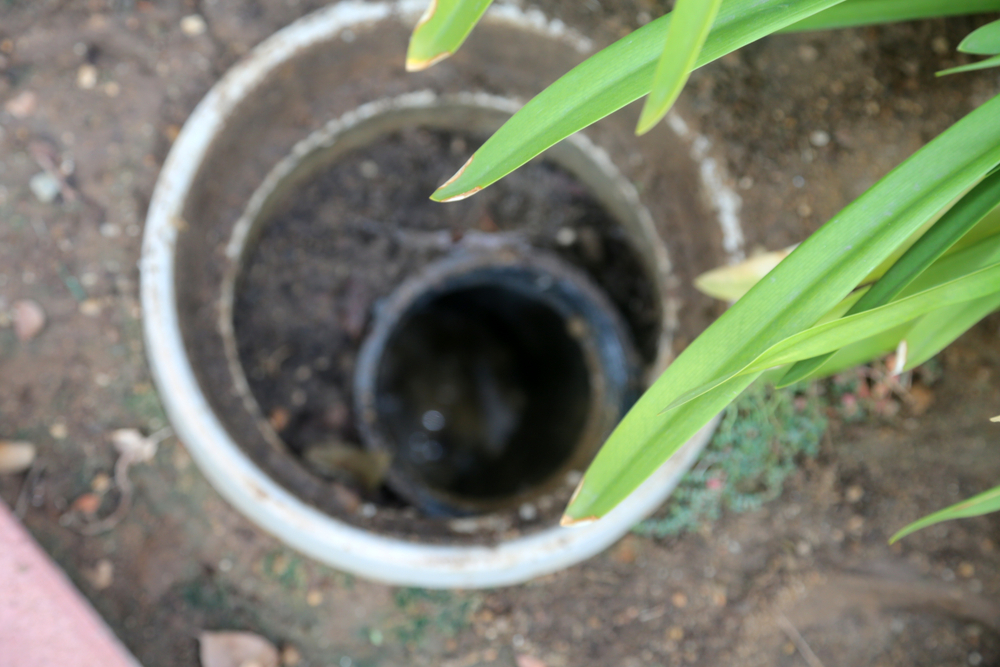
Understanding the difference between a septic system vs sewer system is more important than most people realize. Whether you are settling into a rural property outside of San Antonio or purchasing a home in a Houston suburb, the type of wastewater system connected to your property affects your budget, your maintenance responsibilities, and even your long-term property value.
This guide breaks down what every Texas homeowner should know before making a decision or simply understanding what they already have.
How Each System Works
At its core, the choice between a septic system vs city sewer comes down to who handles your wastewater and how. A public sewer system is managed by your local municipality. When you flush a toilet or drain a sink, wastewater travels through underground pipes connected to a city-wide network. That network carries everything to a central treatment facility, where it is processed and cleaned before being released back into the environment. As a homeowner on a public sewer, you pay a monthly utility fee for this service, and the city takes responsibility for maintaining the main lines.
A private septic system, on the other hand, keeps wastewater management entirely on your property. When water leaves your home, it flows into a buried septic tank, usually made of concrete, fiberglass, or polyethylene. Inside the tank, solids settle to the bottom and form sludge, while lighter materials float to the top as scum. The liquid layer in the middle, called effluent, flows out into a drain field, also known as a leach field, where it is slowly absorbed into the soil and naturally filtered. The entire process happens underground and on your land, which means you are responsible for keeping it running properly.
The Role of Location in Texas
Texas is a massive and geographically diverse state, and location plays a huge role in determining which system a homeowner will have. In dense urban areas like Dallas, Austin, or Fort Worth, most homes are connected to a municipal sewer system because the population density makes centralized treatment both practical and cost-effective. However, a significant portion of the state is rural or semi-rural, and that is where septic system Texas homes become the standard rather than the exception.
In counties with low population density, there may simply be no public sewer infrastructure available. The Texas Commission on Environmental Quality (TCEQ) regulates on-site sewage facilities across the state, and individual counties often have their own rules layered on top of state requirements. If you are buying land or a home outside of city limits, there is a strong chance you will be dealing with a private septic vs public sewer situation, meaning a septic system is your only realistic option. Understanding this before you buy can save you thousands of dollars in surprises down the road.
Benefits of Septic Systems for Texas Homeowners
There are several genuine benefits of septic systems that make them a practical and even preferable choice for many Texas homeowners, particularly those outside of urban centers. First, there are no monthly sewer bills. Once your system is installed and functioning properly, you are not paying a utility company for wastewater service every month. For homeowners on fixed incomes or those managing tight budgets, this can add up to meaningful savings over time.
Second, septic systems are generally reliable when properly maintained. A well-designed system can last 25 to 30 years or longer with routine pumping every three to five years and basic care about what goes down your drains. In rural Texas, where municipal infrastructure can be limited or subject to disruptions, having a self-contained wastewater system on your property gives you a degree of independence that city sewer connections cannot offer.
Third, septic systems can be environmentally beneficial when functioning correctly. The natural filtration process that happens in the soil can actually remove contaminants before they reach groundwater, provided the system is sized correctly for the household and the soil conditions are adequate. For homeowners who care about their environmental footprint, a properly maintained system is a reasonable option.
Finally, properties with septic systems in desirable rural or semi-rural areas of Texas often hold their value well. Buyers looking for land with homes in places like the Texas Hill Country, East Texas, or the Panhandle understand that septic systems are part of life in those regions and factor that into their expectations accordingly.
Costs, Maintenance, and What to Watch For
The cost differences between a private septic vs public sewer connection are worth understanding in detail. Connecting to a public sewer typically involves a one-time tap-in fee, which can range from a few hundred to several thousand dollars depending on your municipality, plus ongoing monthly service charges. In some Texas cities, these monthly fees can be $40 to $80 or more per month, which adds up to hundreds of dollars per year.
Installing a new septic system in Texas typically costs between $3,000 and $10,000 or more, depending on the size of your home, soil conditions, and the type of system required. Conventional gravity systems are on the lower end, while more complex systems required by challenging soil conditions or stricter county regulations can push costs significantly higher. However, once installed, the ongoing costs are relatively modest. Routine pumping every few years runs $200 to $500 in most Texas markets, and inspections are affordable if done regularly.
Neglecting a septic system is where homeowners get into trouble. When tanks are not pumped on schedule, solids can migrate into the drain field and cause it to fail. Drain field replacement is one of the most expensive septic repairs, often costing $5,000 or more. Homeowners should also be careful about what they put down drains and toilets. Wipes, grease, and harsh chemicals can disrupt the bacterial balance inside the tank that makes the whole system work. Texas homeowners with septic systems should also know their system’s location on the property and keep heavy vehicles and deep-rooted plants away from the drain field to avoid physical damage.
For homes on city sewer, the main cost concern is the monthly bill and the responsibility for the lateral line, which is the pipe that runs from your home to the main city sewer line. If that lateral line cracks or becomes clogged, the repair is typically the homeowner’s responsibility and can cost anywhere from a few hundred to several thousand dollars depending on the extent of the damage and whether the pipe needs to be excavated.
When comparing a septic system vs city sewer from a pure cost standpoint, neither option is always cheaper. It depends heavily on your location, the age of your infrastructure, and how diligent you are about maintenance.
Conclusion
For Texas homeowners, the choice between a septic vs sewer system is rarely a choice at all. It is usually determined by where your property sits. Urban and suburban homeowners are typically connected to municipal systems, while rural and semi-rural residents rely on private septic setups. Understanding how each system works, what it costs, and what it requires helps you make smarter decisions as a homeowner. Whether you are maintaining a septic system on a Hill Country ranch or paying a monthly sewer bill in a city subdivision, staying informed is the best way to protect your home and your investment.
Need Septic Services in Cleveland, TX?
Welcome to All Pro Septic! We are a family-owned and -operated septic tank cleaning business. We can install, repair, and maintain septic tanks for residential, commercial, and industrial properties. We also provide line cleaning, sewage pump repair, and clean grease traps, lint traps, and aerobic systems. We always offer free estimates to better your convenience. Do not let your septic tank stop you from wanting to use the restroom. Call us today and get a quote!
Categorised in: Septic Systems