Septic Tank Inspections: When You Need One and What to Expect
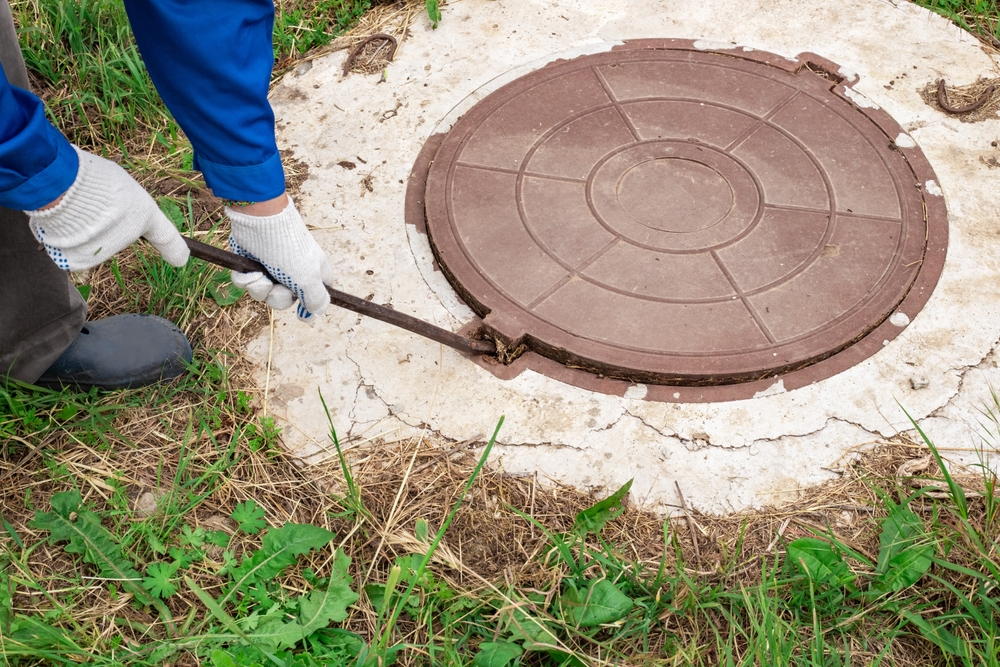
A septic inspection is one of the most important steps you can take to protect your investment. Unlike municipal sewer systems, septic systems require regular monitoring, and when something goes wrong underground, the costs can be staggering. Understanding when to schedule an inspection, what the process involves, and how much you can expect to pay will help you stay ahead of potential problems before they become expensive emergencies.
Why Septic Inspections Matter More Than You Think
Millions of homes across the United States rely on private septic systems to manage household waste. In rural areas of Texas, septic inspection requirements and habits vary widely from county to county, making it easy for homeowners to fall behind on maintenance. A neglected system does not simply stop working overnight. It deteriorates slowly, and by the time visible problems appear, such as soggy patches in the yard or sewage odors near the drain field, the damage may already be extensive.
A professional septic tank inspection gives you a clear snapshot of your system’s current condition. Inspectors look for structural integrity, proper flow, tank capacity, and drain field performance. Even if your system appears to be functioning normally, an inspection can reveal early warning signs that allow you to address issues affordably. Skipping inspections, on the other hand, often means discovering problems during the worst possible moments, such as right before closing on a sale or during a heavy rain season when drain fields are already under stress.
Routine inspections are also a key part of responsible homeownership. Most experts recommend having a septic system professionally evaluated every one to three years, depending on household size and system age. Staying on this schedule reduces the likelihood of major repairs and helps extend the overall lifespan of your system.
What a Septic Inspection Checklist Covers
A thorough septic inspection checklist covers far more than just peeking inside the tank. When a licensed inspector arrives at your property, they will begin by reviewing any available records on the system, including its age, design, and pumping history. This background information helps them interpret what they find during the physical examination.
The inspector will then locate and uncover the tank access points. They will measure the scum and sludge layers inside the tank to determine whether pumping is needed. A tank that is more than one-third full of solids is overdue for service. Next, they will check the inlet and outlet baffles, which are components that control how waste flows in and out of the tank. Damaged or missing baffles are a common and fixable problem, but one that can lead to serious drain field damage if left unaddressed.
Beyond the tank itself, the inspection will evaluate the distribution box, the pipes leading to the drain field, and the drain field itself. The inspector will look for signs of saturation, ponding, or back pressure, all of which indicate that the system is not properly processing effluent. In some cases, especially for complex systems with pumps or aerobic components, inspectors will run a flow test by flushing water through the system and observing how it responds under load.
A complete inspection will conclude with a written report summarizing all findings, identifying any deficiencies, and recommending corrective actions if needed.
Septic System Inspection Cost: What to Budget
The septic system inspection cost varies based on several factors, including your location, the size and type of system, and the depth of the inspection. A basic visual inspection in many parts of the country runs between $100 and $200. However, a more thorough inspection that includes locating the tank, uncovering lids, and evaluating the drain field typically costs between $300 and $600.
In Texas, septic inspection costs can fall anywhere in that range, though rural properties with older or more complex systems may cost more. If the inspector needs to pump the tank as part of the evaluation, that service is often billed separately and can add another $200 to $500 to the total. Some inspection companies bundle pumping with the inspection at a discounted rate, so it is worth asking upfront.
Aerobic treatment units (ATUs), which are more common in Texas due to state regulations in certain areas, typically cost more to inspect than conventional systems because they have additional mechanical components including pumps, timers, and spray heads that require evaluation. Budget for $400 to $700 or more for a comprehensive ATU inspection.
While the upfront cost of a septic inspection may feel like an unnecessary expense, consider that a failed drain field replacement can cost anywhere from $5,000 to $20,000 or more. An inspection costing a few hundred dollars is a worthwhile investment by any measure.
Real Estate Septic Inspections: What Buyers and Sellers Need to Know
A real estate septic inspection is one of the most critical contingencies you can include when purchasing a home with a private waste system. Unlike a standard home inspection, which may include only a visual check of accessible components, a real estate septic inspection is a dedicated evaluation performed by a licensed professional who specializes in these systems.
For buyers, the inspection provides critical information about the condition of a system that can be extremely expensive to repair or replace. Lenders, especially those offering FHA or VA loans, often require a septic inspection as a condition of financing. Even in cases where it is not required, waiving this inspection is a significant financial risk that most real estate professionals strongly advise against.
For sellers, a pre-listing septic inspection can actually work in your favor. By identifying and resolving issues before putting your home on the market, you reduce the chance of a deal falling apart during the buyer’s due diligence period. A clean inspection report can also serve as a selling point, particularly in competitive markets where buyers are weighing multiple properties.
In Texas, septic inspection requirements for real estate transactions can vary depending on county regulations and lender requirements. It is important to consult with your real estate agent and inspector to understand what is required or recommended in your specific area.
How to Prepare for a Septic Tank Inspection
Preparing for a septic tank inspection does not require a great deal of effort on your part, but a few simple steps can help the process go smoothly. If you have records of previous inspections, pumping dates, or system diagrams, gather those ahead of time and share them with your inspector. This information can save time and provide valuable context.
Make sure the area around your tank and drain field is accessible. If you have landscaping, vehicles, or equipment parked over these areas, move them before the inspector arrives. Overgrown vegetation can make it difficult to locate access points, and some inspectors will charge additional fees for extensive digging or locating work.
Avoid doing heavy laundry loads or running the dishwasher excessively in the 24 hours before your inspection. Overloading the system with water right before an inspection can temporarily mask issues or make it harder to assess the system’s natural performance.
Finally, plan to be present during the inspection if possible. Watching the process and asking questions in real time is one of the best ways to learn about your system and understand what the inspector’s findings actually mean for your property.
Conclusion
A septic inspection is a straightforward process that delivers significant peace of mind, whether you are buying a home, selling one, or simply maintaining a property you already own. Understanding what inspectors look for, what the process costs, and how to prepare will help you approach the experience with confidence. Do not wait for visible problems to schedule your next inspection. Proactive care is always less expensive than emergency repairs.
Need Septic Services in Cleveland, TX?
Welcome to All Pro Septic! We are a family-owned and -operated septic tank cleaning business. We can install, repair, and maintain septic tanks for residential, commercial, and industrial properties. We also provide line cleaning, sewage pump repair, and clean grease traps, lint traps, and aerobic systems. We always offer free estimates to better your convenience. Do not let your septic tank stop you from wanting to use the restroom. Call us today and get a quote!
Categorised in: Septic Service