Why Your Septic Alarm Is Going Off (And What to Do)
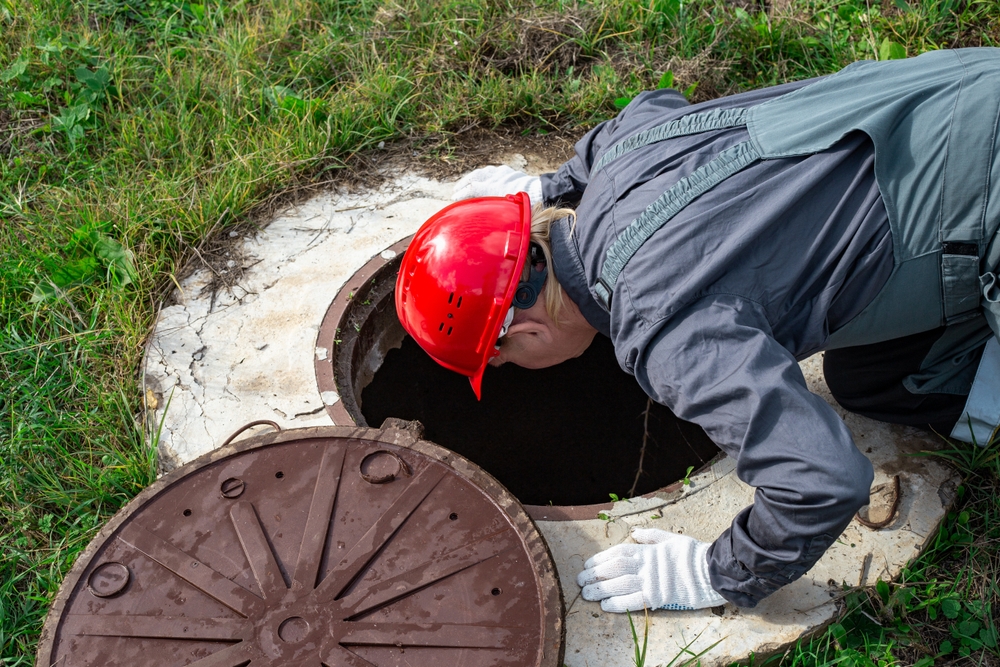
If you’ve ever been startled by a loud beeping coming from your yard or utility area, you already know the mild panic that comes with a septic alarm going off. It’s not a sound anyone wants to hear, but it’s an important one. Your septic system is trying to tell you something, and ignoring it can turn a manageable issue into a costly disaster.
Whether you have a conventional septic setup or an aerobic system, understanding why your septic system warning alarm is triggering can save you time, money, and a whole lot of stress.
What Your Septic Alarm Actually Means
Most homeowners don’t think about their septic system until something goes wrong. When that alarm starts sounding, it’s easy to assume the worst. But the alarm itself is actually a feature, not a failure. It’s a built-in safety mechanism designed to alert you before a real problem develops.
Septic alarms are typically connected to a float switch inside one of your system’s tanks. When the water level inside the tank rises too high or drops too low, the float triggers the alarm. In aerobic septic systems, the alarm can also be connected to the aerator, the chlorinator, or other mechanical components that keep the system running properly.
So when your septic alarm is going off, it doesn’t automatically mean sewage is about to back up into your home. It means something within the system has shifted out of its normal operating range, and you need to investigate. The alarm is doing exactly what it was designed to do: giving you a window of time to respond before a minor issue becomes a major one.
Common Reasons a Septic Alarm Goes Off
There are several reasons your septic system warning alarm might activate, and not all of them are cause for immediate panic. Here are the most frequent culprits.
High water levels are one of the most common triggers. This can happen after heavy rainfall saturates the ground around your drain field, reducing the soil’s ability to absorb effluent. It can also occur if your household has used significantly more water than usual, such as during gatherings or events where extra laundry, showers, and toilet flushes put extra demand on the system.
A malfunctioning pump is another common cause. In systems that rely on a pump to move effluent from one tank to another or out to the drain field, a pump failure will cause liquid to accumulate. The rising water level then triggers the float switch and sets off the alarm.
For those with an aerobic system alarm situation, the alert may be related to the air compressor or aerator. These systems rely on oxygen being pumped into the treatment tank to help break down waste. If the aerator stops working, the alarm activates to let you know the treatment process has been interrupted. Running an aerobic system without a functioning aerator can lead to odor problems and incomplete treatment of wastewater.
Electrical issues, including tripped breakers or damaged wiring, can also trigger false alarms or prevent components from running properly. Before assuming the worst, check your breaker panel to see if anything has tripped.
Clogs and blockages within the system can restrict flow, causing backups that raise water levels and set off the alarm. This is especially common in older systems or those that have received materials they weren’t designed to handle, like wipes, feminine products, or grease.
What to Do When Your Septic Alarm Is Going Off
The first and most important step is to not ignore it. Silencing the alarm and walking away might feel like a solution in the moment, but the underlying issue will only get worse. Here is a simple approach to septic troubleshooting when your alarm activates.
Start by locating your alarm panel. Most systems have a silence button that will stop the beeping temporarily while you assess the situation. Silencing the alarm is fine as long as you actually follow through with investigating the cause.
Next, reduce water usage in your home immediately. Avoid running the dishwasher, doing laundry, taking long showers, or flushing unnecessarily. Give the system a chance to catch up if the issue is related to high water volume.
Check your breaker panel to make sure all relevant breakers are in the correct position. A tripped breaker connected to your septic pump or aerator can often be reset without a service call.
If the alarm continues after these steps, or if you notice any sewage odors, soggy patches in your yard near the drain field, or slow drains inside the house, it’s time to call a licensed septic professional. Don’t wait to see if the problem resolves itself. Septic systems that are pushed past their limit can cause sewage backups inside the home or contaminate groundwater, both of which are far more expensive and dangerous to deal with than catching the problem early.
Aerobic System Alarms: A Closer Look
Aerobic septic systems are common in Texas and other parts of the South, particularly in areas where soil conditions or lot sizes make conventional systems impractical. These systems use an aerobic treatment process to break down waste more thoroughly than a standard anaerobic system, and they require a bit more maintenance and monitoring as a result.
An aerobic system alarm can signal several different things depending on the type of alert your system is programmed to detect. Some systems will alarm if the dissolved oxygen level in the treatment tank falls below a certain threshold. Others will alert you if the chlorinator runs out of tablets, which are used to disinfect the effluent before it is dispersed. Some systems have timers and sensors that monitor pump cycles, spray heads, and other mechanical components.
Because aerobic systems are more complex, their alarms should always be taken seriously. If your aerobic system alarm is going off and you can’t identify an obvious cause like a tripped breaker or an empty chlorinator, contact a septic technician as soon as possible. In Texas, aerobic systems are required by the Texas Commission on Environmental Quality (TCEQ) to be maintained under a service contract, which means a licensed provider is responsible for regular inspections and repairs.
Septic Repair in Texas: When to Call a Pro
Texas homeowners deal with a unique set of challenges when it comes to septic systems. The clay-heavy soils in many parts of the state, combined with hot summers and occasional flooding, can stress even a well-maintained system. If you’re dealing with a recurring septic alarm, spotty drain field performance, or an aging system that needs attention, finding a qualified septic repair professional in Texas is essential.
When choosing a septic company for repair in Texas, look for a provider licensed through the TCEQ. Ask about their experience with your specific type of system, whether conventional or aerobic. A good company will not just fix the immediate problem but will also assess the overall health of your system and let you know if any other components are nearing the end of their service life.
Routine maintenance goes a long way toward preventing alarm situations in the first place. Having your tank pumped every three to five years, keeping an eye on your system’s alert panel, and being mindful of what goes down your drains can prevent most of the issues that trigger septic alarms.
Conclusion
A septic alarm going off is your system asking for help. Whether it’s a high water level, a failing pump, or an aerobic system alert, the key is to take it seriously and respond promptly. Reduce water use, check the basics, and call a professional when the situation calls for it. With the right attention and the right septic repair support in Texas, most alarm situations can be resolved quickly and without major expense.
Need Septic Services in Cleveland, TX?
Welcome to All Pro Septic! We are a family-owned and -operated septic tank cleaning business. We can install, repair, and maintain septic tanks for residential, commercial, and industrial properties. We also provide line cleaning, sewage pump repair, and clean grease traps, lint traps, and aerobic systems. We always offer free estimates to better your convenience. Do not let your septic tank stop you from wanting to use the restroom. Call us today and get a quote!
Categorised in: Septic Repair