Septic Tank Additives: Do They Really Work?
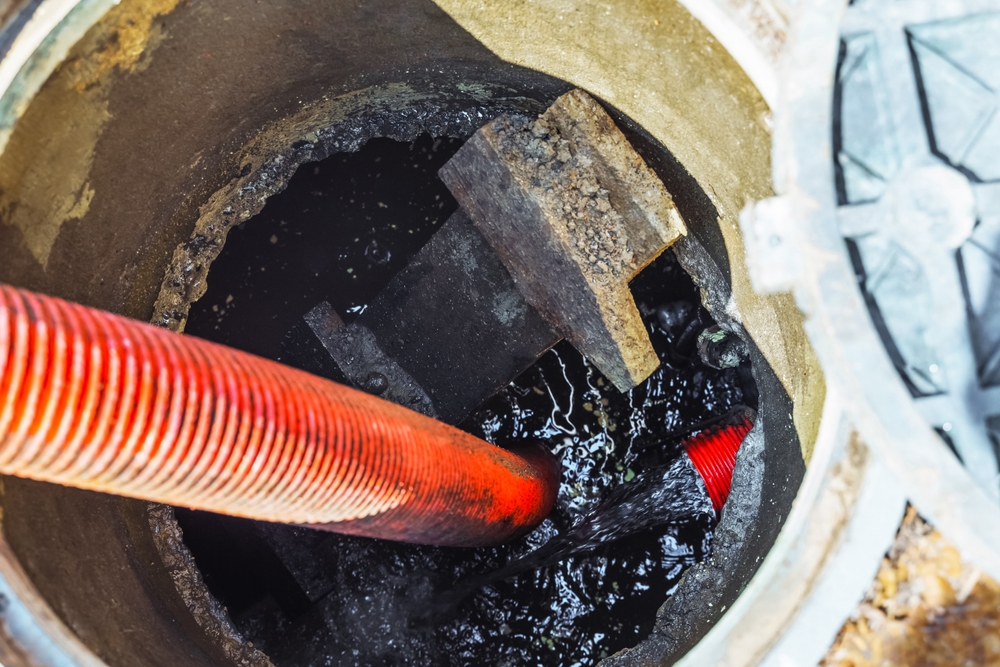
If you own a home with a septic system in Cleveland, TX, you’ve probably seen products that promise to boost septic performance, eliminate odors, and reduce pumping. With so many additives on store shelves, it’s natural to wonder whether they’re worth the investment or if they’re just another unnecessary expense.
Quick Answer
Septic tank additives can be helpful in very specific situations, but most healthy septic systems do not require them. Regular pumping, proper water usage, and avoiding harmful materials down your drains remain the most effective ways to keep your septic system working properly. Before adding any product to your tank, it’s important to understand what it does and whether your system actually needs it.
What Local Readers Should Know
-
Most residential septic systems rely on naturally occurring bacteria to break down waste, and these bacteria are usually sufficient on their own.
-
Some additives may temporarily increase bacterial activity, while others contain chemicals that can disrupt the natural balance inside the tank.
-
East Texas soils and seasonal rainfall around Cleveland can affect how well septic drain fields perform, regardless of whether additives are used.
-
Regular inspections and scheduled pumping are still the most reliable forms of septic maintenance.
-
Using septic-safe household products and conserving water often has a greater impact than adding treatments.
Why This Matters Locally
For homeowners in Cleveland, Liberty County, and nearby communities like Splendora, Shepherd, Tarkington Prairie, and Plum Grove, septic systems are common because many properties are outside municipal sewer service areas. Heavy rainfall, clay-rich soils, and fluctuating groundwater levels can all influence septic performance. These local conditions make proper maintenance far more important than relying on bottled treatments.
At All Pro Septic, we often answer questions about additives because many property owners want to extend the life of their septic system without unnecessary expenses. Our goal is to help homeowners understand what truly benefits their system and what may simply be marketing.
Local Field Observations
Based on professional field experience, many septic issues we encounter are not caused by a lack of bacteria. Instead, they are often related to overloaded systems, delayed pumping, drain field problems, or improper items being flushed.
In the Cleveland area, we also see seasonal weather contribute to septic concerns. Extended wet periods can saturate drain fields, reducing their ability to absorb wastewater. No additive can solve a drain field that is already overwhelmed by poor soil conditions or excessive moisture.
Do Septic Tank Additives Actually Work?
Yes, some septic tank additives can work, but their benefits are often limited.
Biological additives typically contain bacteria or enzymes intended to supplement the microorganisms already living inside the tank. In certain cases, such as after a tank has been exposed to large amounts of antibacterial cleaners or medications, these products may help restore microbial activity.
Chemical additives are different. Some are marketed as cleaners or sludge removers, but they may disrupt the natural treatment process or move solids into the drain field faster than intended. That can create larger and more expensive problems over time.
For most properly functioning systems, additives are not a replacement for routine maintenance.
How Septic Systems Naturally Work
A septic tank is designed to separate wastewater into three layers:
-
Solids settle to the bottom and form sludge.
-
Oils and grease float to the top as scum.
-
The liquid wastewater exits to the drain field for final treatment.
Naturally occurring bacteria inside the tank continuously break down organic waste. While these bacteria reduce the volume of solids, they cannot eliminate all buildup. Eventually, every septic tank requires pumping to remove accumulated sludge.
Warning Signs Your Septic System Needs Attention
If you notice any of the following, your septic system may need professional evaluation rather than another additive.
-
Slow drains throughout the home.
-
Toilets that frequently back up.
-
Sewage odors near the tank or drain field.
-
Wet or soggy areas above the drain field.
-
Unusually green patches of grass over septic components.
-
Gurgling sounds from plumbing fixtures.
-
Wastewater backing into sinks, tubs, or showers.
These symptoms often indicate mechanical or hydraulic issues that additives cannot resolve.
When to Call a Professional
If your septic system is functioning normally, there is little reason to experiment with multiple additives.
However, professional service is recommended if you experience recurring backups, persistent odors, standing water, or if your tank has not been pumped according to its maintenance schedule. A thorough inspection can identify whether the issue involves the tank, baffles, drain field, or another component.
Common Local Causes of Septic Problems
Several local conditions contribute to septic issues around Cleveland and surrounding areas.
Heavy Rainfall
Periods of prolonged rain can saturate soil and reduce the drain field’s ability to absorb wastewater.
High Water Usage
Large households or excessive laundry loads in a short period can overload a septic system.
Flushing Improper Materials
Products labeled as flushable, grease, wipes, feminine hygiene products, and paper towels often create blockages or accelerate sludge buildup.
Delayed Pumping
Waiting too long between pump-outs allows solids to accumulate until they begin entering the drain field.
Tree Root Intrusion
Mature trees on rural properties may send roots toward underground septic lines searching for moisture.
Prevention and Maintenance
The best way to protect your septic system is through consistent maintenance rather than relying on additives.
Helpful practices include:
-
Schedule regular septic inspections.
-
Pump the tank according to professional recommendations.
-
Spread laundry loads throughout the week.
-
Avoid pouring grease, oils, or chemicals down drains.
-
Use water efficiently to reduce strain on the system.
-
Keep vehicles and heavy equipment off the drain field.
-
Plant trees a safe distance from septic components.
What Results Should You Expect?
Routine maintenance helps septic systems operate more efficiently, reduces the likelihood of unexpected failures, and supports longer equipment life.
While additives may provide limited benefits in certain circumstances, homeowners should not expect them to eliminate pumping, repair damaged drain fields, or solve structural septic problems.
Common Mistakes Homeowners Make
Mistake: Using additives instead of pumping.
Consequence: Sludge continues accumulating until the system becomes overloaded.
Better Approach: Maintain a regular pumping schedule based on your household size and tank capacity.
Mistake: Believing every septic product is safe.
Consequence: Certain chemicals may interfere with natural bacterial activity.
Better Approach: Consult a septic professional before introducing unfamiliar products.
Mistake: Ignoring small warning signs.
Consequence: Minor issues can develop into expensive repairs.
Better Approach: Address slow drains, odors, and wet spots promptly.
A Common Local Scenario
A homeowner in the Cleveland area notices occasional odors near the yard and purchases several septic additives hoping to eliminate the smell. While the odor briefly improves, the underlying issue turns out to be an overdue pumping appointment combined with a saturated drain field following heavy rain. Once the system is properly serviced, normal operation returns without relying on ongoing additive treatments.
Related Septic Services
Proper septic care may include:
-
Routine septic pumping
-
Septic inspections
-
Septic tank cleaning
-
Drain field evaluations
-
Septic system repairs
-
Preventative maintenance
Comparing Your Options
| Option | Best For | Limitations |
|---|---|---|
| DIY additives | Supporting healthy bacteria in select situations | Cannot replace pumping or repairs |
| Routine maintenance | Preventing major septic issues | Requires scheduled service |
| Professional inspection | Diagnosing recurring problems | May identify repairs that need attention |
Service Areas
We proudly serve homeowners throughout Cleveland, Liberty County, and surrounding East Texas communities, including Splendora, Shepherd, Tarkington Prairie, Plum Grove, and nearby rural properties. Local experience allows us to understand the soil, weather, and septic challenges unique to this region.
The Cost of Ignoring Septic Problems
Delaying maintenance can allow small septic issues to become much larger and more expensive. Overflowing tanks, clogged drain fields, and wastewater backups often require more extensive repairs than routine service would have.
Frequently Asked Questions
Do septic tank additives help homeowners in Cleveland, TX?
Yes, some biological additives may provide limited benefits, but most healthy septic systems in Cleveland already contain the bacteria needed to break down waste naturally.
How often should septic tanks be pumped in Liberty County?
The answer depends on household size, tank capacity, and water usage. A professional inspection can determine the appropriate pumping schedule for your property.
Can additives replace septic pumping?
No. Additives cannot remove accumulated sludge or replace routine septic pumping.
Are chemical septic additives safe?
Some chemical additives may interfere with the normal treatment process or move solids toward the drain field. It’s best to consult a septic professional before using them.
Why does my septic system smell after heavy rain in the Cleveland area?
Heavy rainfall can temporarily saturate the soil around the drain field, making odors more noticeable. If odors persist, the system should be professionally evaluated.
What should never go into a septic system?
Grease, cooking oil, wipes, feminine hygiene products, paper towels, harsh chemicals, and excessive household cleaners should all be kept out of septic systems.
Final Thoughts
Most septic systems perform best with regular maintenance rather than relying on bottled additives. Understanding how your system works and addressing problems early can help protect your investment and reduce the risk of costly repairs.
Keep Your Septic System Working Its Best
Regular maintenance is the smartest way to protect your septic system and your property. Contact us today to schedule an inspection or service appointment.
Categorised in: Septic Tank Service