Top 10 Signs Your Septic Tank Is Full
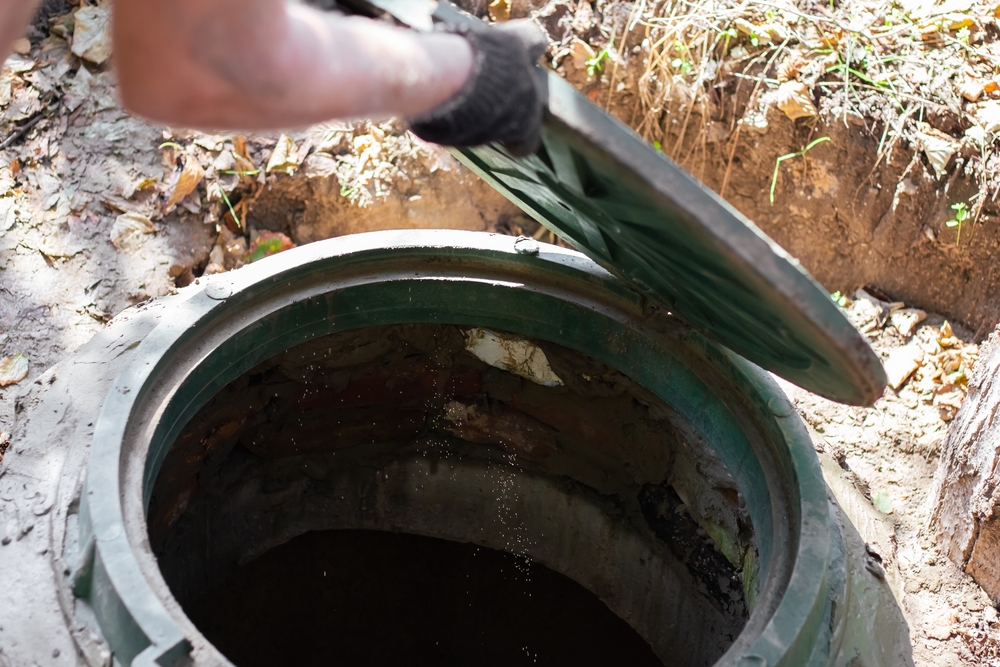
If you rely on a private septic system to manage household waste, keeping a close eye on its condition is one of the most important things you can do as a homeowner. A full or failing septic tank can lead to costly repairs, health hazards, and serious environmental damage. The good news is that your system will usually give you plenty of warning before things get truly out of hand. Learning to recognize the signs septic tank full situations produce can save you thousands of dollars and a whole lot of stress.
Here are the top 10 warning signs you should never ignore.
1. Slow Drains Throughout the House
One of the earliest and most common septic tank warning signs is slow drainage inside your home. When a single drain runs slowly, the culprit is usually a localized clog. But when multiple drains throughout the house, including sinks, tubs, and showers, all seem sluggish at the same time, the problem is almost certainly further down the line. Slow drains in a septic system are a strong signal that the tank is reaching capacity and can no longer process wastewater efficiently. If you notice this pattern, do not wait to have your system inspected.
2. Gurgling Sounds in the Pipes
Strange gurgling or bubbling noises coming from your drains and toilets are another early indicator that something is wrong. These sounds occur when air is trapped in the plumbing because wastewater cannot flow freely into an already-full tank. You might hear these noises after flushing a toilet or running the dishwasher. While gurgling can sometimes point to a simple clog, persistent gurgling across multiple fixtures is one of the more reliable septic backup symptoms to watch for. Take it seriously and have a professional evaluate your system sooner rather than later.
3. Sewage Odors Inside the Home
A properly functioning septic system should be virtually odorless inside your home. If you begin to notice a foul, sulfur-like smell coming from your drains, toilets, or even the walls near your plumbing, this is a major red flag. Sewage gases, including hydrogen sulfide, can back up into the home when the tank is too full to vent properly. Beyond being unpleasant, these gases can be harmful to your health, particularly for children, the elderly, and anyone with respiratory conditions. This is one of those signs septic tank full problems are urgent and demand immediate attention.
4. Sewage Smell in the Yard
Odors are not limited to the inside of your home. A strong sewage smell yard situation is one of the clearest signs that your septic system is overflowing or backing up underground. When the tank fills beyond capacity, partially treated wastewater can seep out through the soil around the drain field or even surface near the tank itself. If you step outside and notice a persistent rotten egg or sewage odor, especially around the area where your septic tank is buried, it is time to call a professional right away. Do not dismiss this as a temporary issue, because it rarely resolves on its own.
5. Pooling Water in the Yard
Standing water or unusually wet patches in your yard, particularly over the drain field or septic tank area, are serious physical signs of a system in distress. When a tank is full, effluent has nowhere to go and begins surfacing above ground. This pooling water is not just unsightly. It is a biohazard. It can contain harmful bacteria and pathogens that pose a direct risk to people, pets, and nearby water sources. Pooling water combined with a sewage smell yard is a combination that should have you on the phone with a septic professional the same day you notice it.
6. Lush, Unusually Green Grass Over the Drain Field
This one can fool homeowners because it looks harmless at first. If you notice that the grass directly above your drain field or septic tank is growing faster and greener than the rest of your lawn, this is actually one of the subtler septic tank warning signs. What you are seeing is the result of excess nutrients from leaking wastewater fertilizing the soil above. While green grass is normally a good thing, this pattern suggests that untreated sewage is escaping the system and saturating the soil. Think of it as nature’s way of telling you something is wrong underground.
7. Sewage Backup in Toilets or Drains
This is the sign no homeowner wants to experience firsthand. Raw sewage backing up into your toilets, sinks, or floor drains is one of the most alarming septic backup symptoms possible. This typically happens when the tank is completely full and there is simply no room for additional waste to enter. Sewage will follow the path of least resistance, which often means flowing back up through the lowest drains in your home. When this happens, stop using water immediately and contact a licensed septic service company. Using the system further while it is backed up will only make the problem significantly worse.
8. High Nitrate Levels in Well Water
If your home uses a private well in addition to a septic system, a full or failing tank can directly affect your drinking water quality. Septic systems that are overflowing or not functioning properly can allow nitrates and harmful bacteria to leach into the surrounding groundwater. If your annual water test comes back showing elevated nitrate levels, and you have not changed anything about your well, your septic system could be the source of the contamination. This is one of the more serious signs septic tank full problems can create, and it warrants both a water retest and a full septic inspection.
9. Long Intervals Between Pumpings
Many homeowners operate on the assumption that their septic tank does not need attention unless something goes visibly wrong. In reality, most tanks need to be pumped every three to five years depending on household size and usage. If you cannot remember the last time your tank was serviced, or if it has been more than five years, the tank may already be at or near full capacity even if obvious symptoms have not yet appeared. Being proactive about your septic pumping schedule is the single most effective way to avoid encountering any of the other septic tank warning signs on this list.
10. Wet or Soggy Soil Around the Septic Tank Lid
Sometimes the most obvious signs are the ones right under your nose. If you walk over the area of your yard where the septic tank is buried and the ground feels soft, spongy, or saturated, this is a physical indicator that the tank is likely full or leaking. You may also notice moisture seeping up around the edges of the tank lid in extreme cases. Any time the soil directly above your septic infrastructure feels wetter than the surrounding ground without a recent rainstorm to explain it, you should treat it as one of the more urgent slow drains septic system-related indicators and schedule an inspection promptly.
Conclusion
Your septic system works quietly in the background every day, and it is easy to forget about it until something goes wrong. But the signs are almost always there if you know what to look for. From slow drains and gurgling pipes to a sewage smell yard situation and pooling water, each of these symptoms is your system asking for help. Do not wait for a full sewage backup to take action. Schedule regular inspections, stay on top of your pumping schedule, and respond quickly when any of these septic backup symptoms appear. A little attention now can prevent an expensive and unpleasant disaster later.
Need Septic Services in Cleveland, TX?
Welcome to All Pro Septic! We are a family-owned and -operated septic tank cleaning business. We can install, repair, and maintain septic tanks for residential, commercial, and industrial properties. We also provide line cleaning, sewage pump repair, and clean grease traps, lint traps, and aerobic systems. We always offer free estimates to better your convenience. Do not let your septic tank stop you from wanting to use the restroom. Call us today and get a quote!
Categorised in: Septic Tank Service