How Heavy Rain Impacts Your Septic System
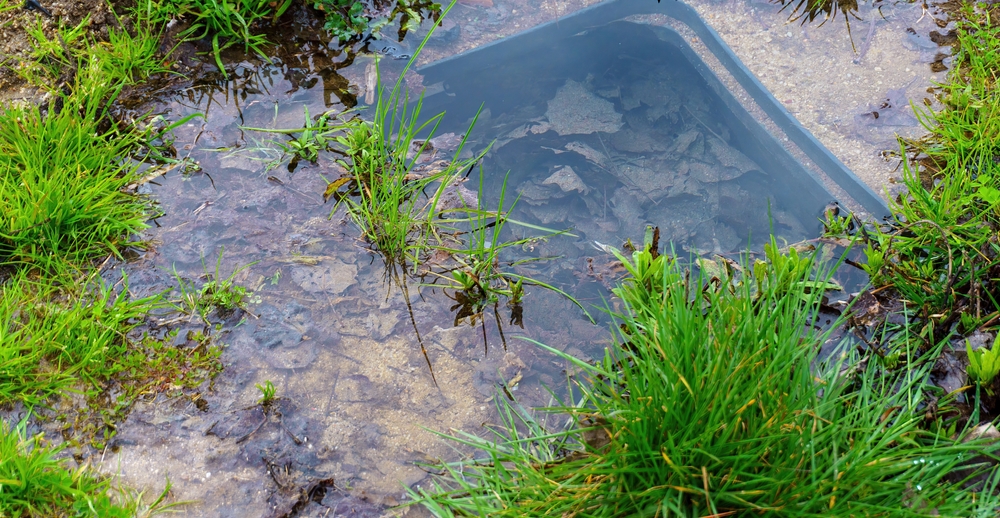
If you live in a home that relies on a septic system, you already know that routine septic maintenance is essential to keeping things running smoothly. But one factor that many homeowners overlook is the effect that heavy rainfall can have on their system. When the skies open up and rain pours down for hours or even days at a time, your septic system faces a unique set of challenges. Understanding how a septic system after heavy rain behaves can help you act quickly, prevent costly damage, and protect both your property and your health.
Septic systems are designed to work in harmony with the surrounding soil. They rely on a careful balance of water flow, bacterial activity, and soil absorption. When that balance is disrupted by an excessive amount of rainwater, the entire system can be thrown off course. The good news is that with the right knowledge, you can take steps to minimize the impact and keep your system functioning properly even during the wettest seasons.
Understanding How a Flooded Septic Tank Happens
To understand why heavy rain is such a problem, you first need to understand how a septic system works. Wastewater from your home flows into the septic tank, where solids settle at the bottom and liquids move out into the drain field. The drain field, sometimes called a leach field, is where the treated liquid waste is slowly absorbed into the soil.
When heavy rain falls, the ground surrounding your septic system becomes saturated with water. This is where the problem of a flooded septic tank begins. As the water table rises, groundwater can actually seep into the septic tank through cracks, lids, and inlet or outlet pipes. This influx of outside water fills the tank beyond its normal capacity, leaving little to no room for the wastewater coming from your home.
A flooded septic tank cannot process waste effectively. The extra water dilutes the bacterial colonies inside the tank that are responsible for breaking down solid waste. Without those bacteria working at full capacity, solids that should settle and decompose end up getting pushed out into the drain field before they are properly treated. This can lead to clogs, backups, and long-term damage that is expensive to repair.
It is also worth noting that surface water runoff can flow directly into the area around your septic tank if your yard does not have proper drainage. Pooling water near the tank access points or along the drain field is a red flag that your system may already be under stress.
The Dangers of Drain Field Saturation
Of all the components in a septic system, the drain field is arguably the most vulnerable during periods of heavy rainfall. Drain field saturation is one of the most common and most serious issues that homeowners face during rainy seasons. When the soil in and around the drain field becomes completely saturated with rainwater, it loses its ability to absorb any additional liquid.
Under normal conditions, the drain field receives pre-treated liquid from the septic tank and allows it to slowly filter down through the soil, where natural processes remove remaining contaminants before the water reaches the groundwater supply. But when the soil is already full of rainwater, there is simply nowhere for the septic effluent to go.
The result of drain field saturation is that wastewater backs up through the system. You may notice slow drains inside your home, gurgling sounds from your toilets, or even sewage odors in your yard. In severe cases, untreated effluent can surface on top of the ground, creating a serious health hazard for your family and pets, as well as a potential environmental concern for nearby water sources.
Recovering from drain field saturation takes time. Even after the rain stops, the soil needs days or sometimes weeks to dry out sufficiently. During that recovery period, it is critical that you reduce your household water usage as much as possible to avoid overwhelming the system further.
Recognizing Septic Problems During Rainy Season
Being able to identify septic problems rainy season homeowners commonly experience can mean the difference between a minor inconvenience and a major disaster. Rain does not always cause immediate, obvious failures. Sometimes the signs are subtle, and ignoring them can lead to much bigger issues down the line.
One of the first signs of trouble is slow draining sinks, showers, or toilets inside your home. If multiple fixtures are draining slowly at the same time, it is likely a system-wide problem rather than a simple clog in one pipe. This is especially telling if the slow drainage coincides with a period of heavy rainfall.
Foul odors are another warning sign. If you smell sewage near your septic tank or drain field area, it could indicate that effluent is surfacing or that gases are being forced back up through your plumbing. Wet, soggy patches of grass directly above the drain field, particularly ones that appear greener or grow faster than the surrounding lawn, can also signal that liquid waste is pooling beneath the surface.
Inside the home, gurgling noises from drains and toilets suggest that air is being displaced in the pipes, often because water is not flowing properly through the system. If you notice any of these signs during or after a heavy rainstorm, it is a good idea to call a licensed septic professional to assess the situation before it gets worse.
Reducing water use during and after heavy rain events is one of the simplest and most effective things you can do. Every gallon of water you send into the system during a period of stress adds to the problem. Spreading out laundry loads, taking shorter showers, and avoiding running the dishwasher unnecessarily can all help reduce the burden on your system.
Managing a Waterlogged Septic System and Preventing Future Damage
Dealing with a waterlogged septic system requires patience, caution, and in many cases, professional help. The most important thing to remember is that you should never pump your septic tank while the surrounding soil is still saturated. This might seem like a logical solution, but it can actually cause serious damage. When the tank is emptied while the water table is high, the empty tank can float or shift in the saturated soil, breaking the inlet and outlet pipes and causing structural damage that is costly to fix.
Instead, focus on reducing water usage and allowing the system time to recover naturally. If sewage has surfaced in your yard, keep people and pets away from the affected area and contact a septic professional immediately. Raw sewage contains pathogens that can cause serious illness, and it should always be handled by someone with the proper training and equipment.
Once the immediate crisis has passed, it is worth investing in long-term solutions to prevent future problems. Improving the grading of your yard so that surface water flows away from the septic system is a practical first step. Installing rain gutters and downspouts that direct water away from the drain field can also make a significant difference.
Planting deep-rooted vegetation around the drain field area can help improve soil drainage over time. Regular septic inspections and pumping, typically every three to five years depending on household size and usage, keep the system in its best possible condition heading into rainy seasons. A well-maintained system is far more resilient to the stress of heavy rainfall than one that has been neglected.
Conclusion
Heavy rainfall presents real and serious challenges for residential septic systems. From flooded septic tanks to drain field saturation, the risks are significant and should not be taken lightly. By understanding how a septic system after heavy rain behaves, recognizing the early signs of a waterlogged septic system, and knowing how to respond appropriately, you can protect your home, your health, and your investment. Preparation and awareness are your best tools when the rainy season arrives.
Need Septic Services in Cleveland, TX?
Welcome to All Pro Septic! We are a family-owned and -operated septic tank cleaning business. We can install, repair, and maintain septic tanks for residential, commercial, and industrial properties. We also provide line cleaning, sewage pump repair, and clean grease traps, lint traps, and aerobic systems. We always offer free estimates to better your convenience. Do not let your septic tank stop you from wanting to use the restroom. Call us today and get a quote!
Categorised in: Septic Service