What Can (and Can’t) Go Down Your Drain with a Septic System
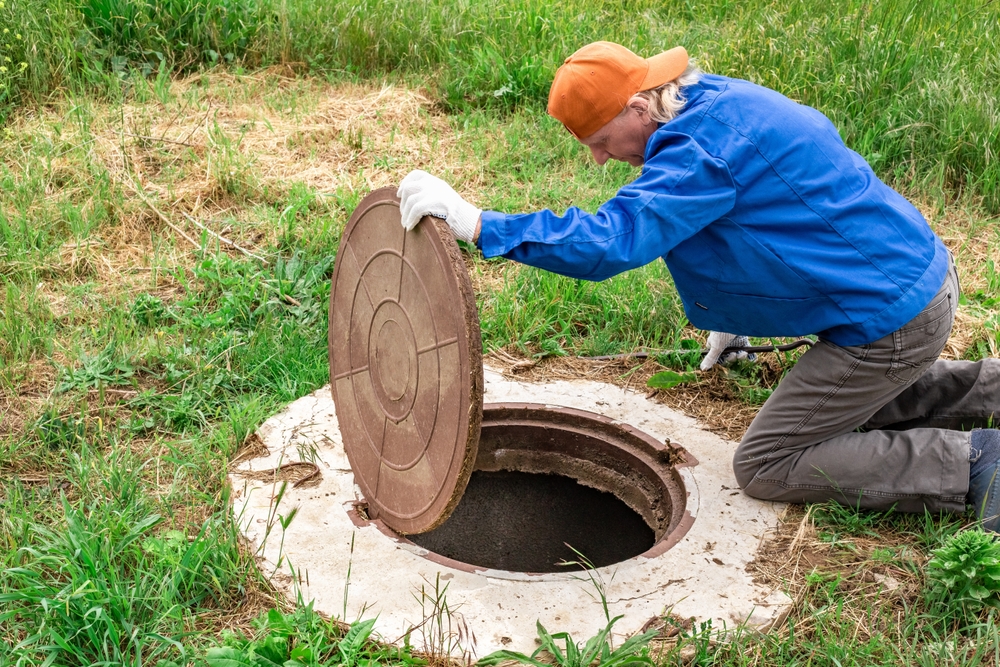
Living with a septic system requires a different mindset than relying on municipal sewage treatment. Many homeowners don’t realize that what seems harmless in a traditional plumbing system can damage or destroy a septic tank. Understanding septic system care tips and learning about septic safe products is essential for protecting this critical component of your home’s infrastructure. This guide will help you navigate the complexities of septic system dos and don’ts, ensuring your system remains functional and efficient for years to come.
Learning About Your Septic System
Before diving into what can and can’t go down your drain, it’s important to understand how your septic system works. A septic tank is essentially a underground container that collects wastewater from your home. Inside the tank, bacteria break down solid waste, separating it into sludge at the bottom and scum at the top, while relatively clean water exits into a drain field. This natural biological process is delicate and easily disrupted by the wrong substances.
The bacteria in your septic tank are living organisms that perform the critical task of decomposing waste. When you introduce substances that kill these bacteria or interfere with the natural breakdown process, you compromise the entire system’s ability to function. This is why learning about septic system dos and don’ts is so crucial for anyone with a septic tank rather than a municipal sewer connection.
What You Can Safely Flush and Pour Down Drains
The good news is that most everyday household items are perfectly safe for septic systems. Human waste and toilet paper are obviously designed for septic tanks, and high-quality toilet paper breaks down naturally in the septic environment. Septic friendly household items include small amounts of ordinary soap and detergent residue from washing dishes and doing laundry.
Water from everyday activities like showering, bathing, and washing dishes is completely safe for your septic system. The key word here is “everyday.” Food scraps in minimal amounts, such as small pieces that slip off dishes, are generally acceptable, though it’s better to scrape dishes thoroughly before washing. Grease in tiny amounts from normal dishwashing won’t cause immediate problems, but accumulated grease buildup is a serious concern.
Septic safe products include biodegradable soaps, septic-approved laundry detergents, and mild cleaning solutions. These products break down naturally or are specifically formulated to work with septic systems. You can safely use products labeled as septic safe, which typically means they won’t harm the bacterial culture in your tank or cause excessive buildup.
What Not to Flush Septic Tank: Common Problem Items
Understanding what not to flush septic tank is where most homeowners struggle. Many seemingly innocent items cause significant problems. Perhaps the most important thing to avoid is non-biodegradable items. Never flush baby wipes, adult wipes, paper towels, feminine hygiene products, or cotton swabs down your toilet. Even wipes labeled as flushable often don’t break down properly and accumulate in your tank.
Medications are another critical concern. Many people don’t realize that flushing prescription and over-the-counter medications down the toilet contaminated groundwater and harms your septic system’s bacterial balance. Hair is surprisingly problematic; it doesn’t break down in septic tanks and can accumulate in pipes and tank chambers. Cooking oil and grease are serious offenders that solidify and create blockages that are expensive to clear.
Chemical drain cleaners are absolutely prohibited in septic systems. These harsh chemicals kill the beneficial bacteria that your system depends on. Even small amounts can disrupt the bacterial balance, and large amounts can completely destroy your system’s ability to function. Similarly, septic system care tips always emphasize avoiding excessive bleach, antibacterial soaps, and harsh disinfectants.
Paint, varnish, gasoline, pesticides, and other hazardous chemicals should never enter your septic system. These substances don’t break down and can contaminate your drain field and groundwater. Car wash water containing oil and detergent is also problematic. Construction debris, dirt, and concrete washout absolutely cannot go into a septic system.
Septic System Dos and Don’ts for Daily Life
Adopting proper septic system dos and don’ts in your daily routine protects your investment. Do use septic-safe toilet paper that dissolves easily. Do spread laundry loads throughout the week rather than doing multiple loads on one day, as excessive water can overwhelm your system. Do limit water usage during heavy rain, as saturated soil cannot absorb drain field water effectively.
Do have your tank pumped every three to five years, depending on tank size and household usage. Do maintain your drain field by keeping vehicles off it and not planting trees nearby, as roots can damage pipes. Do use septic system additives cautiously, and only if recommended by your septic professional; most healthy systems don’t need them.
Don’t use garbage disposals, as they introduce excessive solids that accumulate in your tank faster. Don’t flush anything other than human waste and toilet paper. Don’t pour grease down any drain, even in small amounts over time. Don’t use commercial septic tank treatments excessively, as some can be counterproductive. Don’t ignore signs of septic trouble like slow drains or sewage odors, as early intervention is far less expensive than major repairs.
Septic Friendly Household Items and Product Selection
Choosing septic friendly household items is straightforward once you know what to look for. Select laundry detergents specifically labeled as septic safe, as regular detergents contain ingredients that accumulate in tanks. Use enzyme-based drain cleaners instead of chemical ones; these use natural decomposition rather than harsh chemicals. Purchase biodegradable soap products whenever possible.
When selecting cleaning supplies, choose vinegar, baking soda, and lemon juice-based cleaners over harsh chemical products. These natural alternatives work effectively for most household cleaning tasks without harming your system. Look for products labeled as environmentally friendly or septic safe, though remember that some marketing claims are overstated.
Septic safe products increasingly appear in mainstream stores, making selection easier than ever. Products certified by septic system organizations carry third-party verification of their safety. Reading labels carefully and choosing products with minimal chemical additives protects both your system and the environment.
Signs Your Septic System Needs Attention
Recognizing problems early protects your system and your wallet. Slow drains in multiple fixtures often indicate tank fullness or blockage. Sewage odors around your yard suggest a failing drain field or cracked tank. Wet spots in your yard, especially near the drain field, indicate water saturation that can damage the system.
Lush green patches in your yard might seem nice, but they often result from excess nutrients from your septic system. Gurgling sounds in pipes and toilets indicate air in the system, often from a full tank. Persistent plumbing backups despite having the tank pumped suggest other issues like pipe damage or drain field failure.
Conclusion
Protecting your septic system through understanding septic safe products, avoiding what not to flush septic tank, and following proper septic system dos and don’ts ensures your system works effectively for decades. Regular maintenance, thoughtful product selection, and careful household practices prevent expensive repairs and environmental contamination. By respecting your septic system and treating it with care, you maintain one of your home’s most important infrastructure components while protecting your property value and groundwater quality.
Need Septic Services in Cleveland, TX?
Welcome to All Pro Septic! We are a family-owned and -operated septic tank cleaning business. We can install, repair, and maintain septic tanks for residential, commercial, and industrial properties. We also provide line cleaning, sewage pump repair, and clean grease traps, lint traps, and aerobic systems. We always offer free estimates to better your convenience. Do not let your septic tank stop you from wanting to use the restroom. Call us today and get a quote!
Categorised in: Septic Systems