Why Your Yard Smells Like Sewage (And How to Fix It)
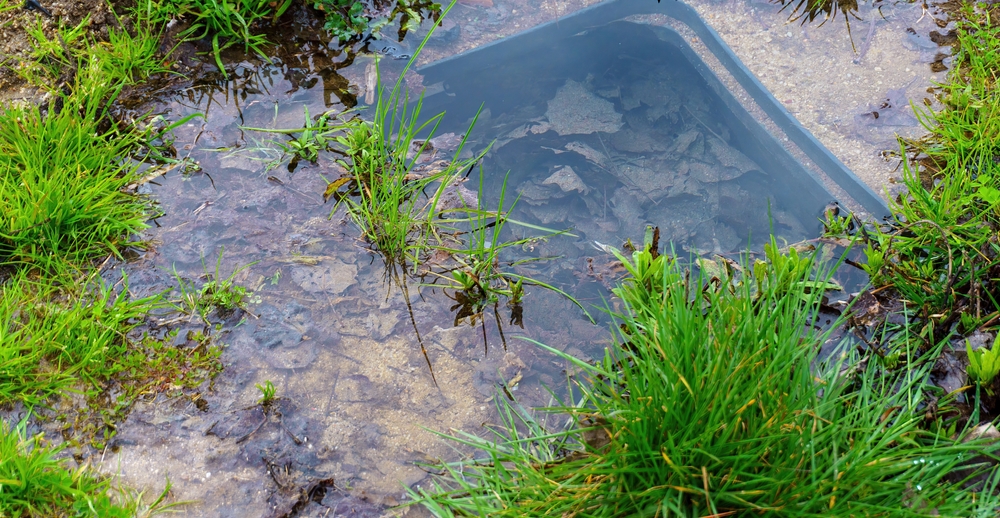
A sewage odor in your yard is more than an unpleasant surprise, especially when it shows up after heavy rain or during a hot Southeast Texas afternoon. For homeowners around Cleveland, the smell can point to anything from a temporarily stressed septic system to a drain field or tank problem that needs professional attention.
Quick answer: If your yard smells like sewage, your septic system may be overloaded, the drain field may be saturated, a tank or pipe may be leaking, or wastewater may not be moving through the system correctly. Avoid the affected area, reduce water use inside the home, and watch for additional signs such as slow drains, standing water, or unusually green grass. Persistent sewage odors usually justify a septic inspection.
What local homeowners should know
-
A sewage smell that lasts more than a short period can indicate that wastewater is reaching the surface or septic gases are escaping somewhere they should not.
-
Heavy rainfall around Cleveland and Liberty County can temporarily saturate soil and make it harder for a drain field to disperse wastewater.
-
Slow drains, gurgling plumbing, wet soil, and sewage odors occurring together are stronger warning signs than odor alone.
-
Properties around Tarkington Prairie, Plum Grove, Splendora, and other rural communities may rely on septic systems rather than municipal sewer connections.
-
Adding water to an already stressed septic system can make backups or drain field problems worse.
Why Does My Yard Smell Like Sewage?
A yard smells like sewage when wastewater or septic gases are escaping from the system, collecting near the ground, or failing to move through the drain field properly. In the Cleveland area, saturated soil, excessive household water use, overdue pumping, damaged components, and drain field problems can all contribute.
The smell may be strongest near the septic tank, drain field, cleanouts, or areas where underground pipes run between the home and the system.
Weather also matters. Periods of heavy Southeast Texas rain can leave soil saturated. When the ground cannot absorb additional liquid efficiently, a septic system may struggle to disperse wastewater normally.
A brief odor does not always mean a major failure, but a recurring or persistent sewage smell should not be ignored.
Why Sewage Odors Matter Around Cleveland
Sewage odors matter locally because they can signal wastewater surfacing or a septic system operating under conditions that increase the chance of backups, contamination, and property damage. Cleveland-area properties often experience intense rain, heat, soil saturation, and changing ground conditions that can place additional stress on septic components.
Homes outside denser parts of Cleveland may have larger lots and private septic systems. Similar conditions are common toward Tarkington, Plum Grove, Splendora, and rural portions of Liberty County.
All Pro Septic serves homeowners dealing with septic concerns in the Cleveland, TX area. When we evaluate a sewage odor, the goal is to identify where the smell is coming from and determine whether the issue involves the tank, piping, drain field, or another part of the system.
Local Data or Field Observations
For Cleveland-area properties, sewage odors are often most concerning when they appear together with wet ground, slow plumbing, recent heavy rainfall, or signs that wastewater is not dispersing normally.
These are practical field observations rather than statistics. Septic performance can vary significantly based on system design, household water use, soil conditions, maintenance history, and how saturated the property is at the time the problem appears.
A smell that occurs only briefly after unusual weather may behave differently from an odor that returns every day in the same section of the yard.
How Can a Sewage Smell Affect Your Property?
A persistent sewage smell can affect your property by creating an unsanitary outdoor area, limiting use of the yard, and signaling a septic problem that may become more expensive if wastewater continues surfacing. The sooner the cause is identified, the easier it is to avoid unnecessary stress on the system.
Standing wastewater can make patios, play areas, pet areas, and landscaped sections unpleasant or unsafe to use.
If the problem progresses, homeowners may also begin seeing indoor symptoms such as slow toilets, backed-up drains, or gurgling plumbing.
For Cleveland homeowners, acting before another period of heavy rain can be especially important because saturated soil may give an already struggling drain field even less capacity.
What Are the Warning Signs of a Septic Problem?
The strongest warning signs of a septic problem include persistent sewage odors, unusually wet ground, slow drains, plumbing backups, and changes in the grass above the septic area. Cleveland-area homeowners should pay particular attention when several of these symptoms appear at the same time.
Watch for:
-
A sewage or rotten-egg odor that repeatedly returns outside.
-
Standing water near the septic tank or drain field.
-
Grass that suddenly becomes much greener or grows faster in one concentrated area.
-
Toilets that flush slowly or require repeated flushing.
-
Multiple sinks, tubs, or showers draining slowly.
-
Gurgling sounds coming from plumbing fixtures.
-
Sewage backing up into tubs, showers, or floor drains.
-
Soft, soggy, or unusually damp soil around septic components.
A single slow sink may be a local plumbing clog. Several fixtures slowing down together can point to a broader wastewater problem.
When Should You Call a Septic Professional?
You should call a septic professional when the sewage smell persists, wastewater appears above ground, multiple drains become slow, or sewage begins backing up into the home. These symptoms can indicate a problem that cannot be safely diagnosed by simply looking at the yard.
Homeowners can safely reduce water use and observe where the odor or wet ground is strongest.
Avoid digging into septic components, opening the tank, or attempting to enter a septic tank. Septic tanks can contain dangerous gases and should be handled by trained professionals with appropriate equipment.
In Liberty County and nearby rural areas, getting the system checked before additional rainfall can also help determine whether the problem is temporary saturation or a mechanical or drainage issue.
What Commonly Causes Sewage Smells in Cleveland Yards?
The most common causes of sewage smells in Cleveland yards include an overfull septic tank, saturated drain field, damaged piping, drainage problems, or a system receiving more wastewater than it can handle. Local rainfall and soil saturation can make some of these problems more noticeable.
1. An overfull septic tank
If solids have accumulated and the system is overdue for pumping, normal wastewater movement can become more difficult.
2. A saturated drain field
Heavy rain around Southeast Texas can leave the drain field unable to absorb wastewater as efficiently as usual.
3. Excessive household water use
Multiple loads of laundry, long showers, leaks, and other high-water-use activities can overwhelm a struggling system.
4. Damaged or leaking pipes
Underground wastewater lines can develop leaks or become damaged, allowing odor or wastewater to escape.
5. Drain field problems
A drain field that is clogged, damaged, compacted, or no longer dispersing water effectively may create wet areas and persistent odor.
6. Septic component problems
Covers, risers, vents, pumps, or other system components may contribute to odors when damaged or not functioning correctly.
How Can You Prevent Septic Odors?
You can reduce the chance of septic odors by controlling water use, keeping up with septic maintenance, protecting the drain field, and responding quickly to changes in plumbing performance. Cleveland homeowners should also pay closer attention after prolonged or unusually heavy rainfall.
Spread laundry loads throughout the week rather than running several back to back. Repair dripping faucets and running toilets so unnecessary water does not continuously enter the system.
Keep vehicles, trailers, construction equipment, and other heavy loads away from the drain field unless the system was specifically designed for that traffic.
Do not build sheds, patios, or other permanent structures over septic components without understanding where the system is located.
Regular inspection and pumping schedules should be based on the property’s specific system, household usage, and maintenance history rather than a one-size-fits-all timeline.
What Results Can You Expect After Septic Service?
After the actual cause is corrected, homeowners can generally expect sewage odors, drainage symptoms, or wet areas to improve as the septic system returns to normal operation. The exact result depends on whether the problem involves routine maintenance, a damaged component, saturated soil, or a failing drain field.
Pumping may solve a problem caused by accumulated solids, but pumping alone will not repair a damaged pipe or restore a drain field that is no longer functioning properly.
An inspection helps separate temporary conditions from problems requiring repair.
What Septic Mistakes Can Make the Problem Worse?
The biggest septic mistakes are adding more water to a stressed system, covering up warning signs, driving over the drain field, and assuming that every odor can be fixed by pumping the tank. A better approach is to reduce system demand and identify the cause before choosing a repair.
Mistake: Running extra water to see whether drains improve.
Consequence: More wastewater enters an already stressed system.
Better approach: Reduce water use until the problem is evaluated.
Mistake: Driving across a soggy drain field.
Consequence: Soil compaction or component damage may worsen drainage.
Better approach: Keep vehicles and heavy equipment away.
Mistake: Treating every sewage smell as an overfull tank.
Consequence: A pipe, drain field, or component problem may go unnoticed.
Better approach: Look at the entire system before deciding on a solution.
What Is a Common Cleveland-Area Septic Scenario?
A common Cleveland-area scenario is a homeowner noticing a sewage smell after several periods of heavy rain, followed by a damp section of lawn near the septic area. Indoor plumbing may still appear mostly normal, which can make the issue easy to postpone.
As the ground stays saturated and normal household water use continues, the odor may become stronger or slow drainage may develop.
This scenario is not a case study. It illustrates why weather, soil conditions, household water use, and septic performance need to be considered together.
What Services Can Solve a Sewage Odor Problem?
The right septic service depends on the cause, with common solutions including septic inspection, pumping, component repair, line repair, or further evaluation of the drain field. The goal is to correct the source of the odor rather than simply masking it.
We can evaluate the symptoms and help determine what part of the system needs attention.
Should You Try DIY Troubleshooting or Call a Professional?
DIY troubleshooting is appropriate for basic observations and reducing water use, while sewage surfacing, repeated odors, backups, or suspected septic component problems should be handled professionally. Homeowners should avoid opening tanks or digging around buried septic infrastructure.
You can check whether several drains are slow, note where the odor is strongest, look for standing water, and review recent water usage.
Professional service is the better option when the source is unclear or when symptoms suggest wastewater is not staying contained underground.
Where Do We Serve Around Cleveland?
We serve septic customers in Cleveland and nearby communities where private wastewater systems are common. Depending on service availability, nearby areas may include Tarkington Prairie, Plum Grove, Splendora, and surrounding portions of Liberty County and the greater Cleveland area.
What Can Happen If You Ignore a Sewage Smell?
Ignoring a sewage smell can allow a manageable septic problem to develop into backups, persistent wet areas, damaged components, or more extensive repair needs. Cleveland homeowners may face additional problems when another heavy rain event adds water to already saturated soil.
A recurring odor is useful information from your system. Addressing it early gives you a better chance to identify the cause before normal household wastewater has nowhere to go.
Frequently Asked Questions
Is a sewage smell outside normal after heavy rain in Cleveland?
A brief odor can occasionally become more noticeable after heavy rain, but a persistent sewage smell should not be considered normal. Saturated Cleveland-area soil can affect how well a drain field disperses wastewater, so recurring odor after storms is a good reason to monitor for wet ground, slow drains, or backups.
Can a full septic tank make my yard smell like sewage?
Yes, an overfull or overdue septic tank can contribute to sewage odors if the system is no longer handling wastewater normally. However, odor can also come from damaged piping, saturated soil, drain field problems, or septic components, so pumping should not automatically be assumed to be the only solution.
Why does my septic system smell worse when it rains in Liberty County?
Rain can make septic odors worse because saturated soil has less capacity to accept additional wastewater. When Liberty County properties receive prolonged or heavy rain, a drain field that was already under stress may become more noticeable through odors, soggy ground, slow drainage, or other symptoms.
Should I stop using water if my Cleveland yard smells like sewage?
Reducing water use is a sensible temporary step when you suspect septic trouble. Avoid unnecessary laundry loads, long showers, and other high-volume activities until you know whether the system is overloaded. If sewage is surfacing or plumbing is backing up, professional evaluation should be arranged promptly.
Does green grass over my septic field mean there is a problem?
Unusually green or fast-growing grass in one concentrated area can sometimes indicate extra moisture or nutrients reaching the soil from the septic system. Healthy grass by itself does not prove failure, but Cleveland homeowners should pay attention when greener grass appears with sewage odors, wet ground, or drainage problems.
Can I open my septic tank to check what is wrong?
No, homeowners should not enter or lean into an open septic tank. Septic tanks can contain hazardous gases and other serious risks. Safe troubleshooting should be limited to observing odors, drainage performance, surface conditions, and water usage while trained professionals handle tank access and system inspection.
Will septic pumping always get rid of a sewage smell?
No, pumping only resolves odors when tank conditions are actually contributing to the problem. A damaged pipe, saturated drain field, leaking component, or drainage failure can continue producing odors after the tank is pumped. Diagnosing the source helps prevent unnecessary or incomplete service.
When should a Cleveland homeowner schedule septic service?
Schedule septic service when sewage odors persist, several drains become slow, wastewater reaches the surface, or plumbing begins backing up. It is also wise to act when symptoms repeatedly return after rainfall. Early evaluation can help determine whether your Cleveland-area system needs maintenance, repair, or closer drain field assessment.
Stop the Sewage Smell Before It Disrupts Your Property
A sewage odor in your yard deserves attention, especially when it appears with wet ground, slow drains, or recent heavy rainfall. We help Cleveland-area property owners identify septic problems and understand the practical next step.
Categorised in: Septic Service