Septic Systems for Businesses: What Owners Need to Know
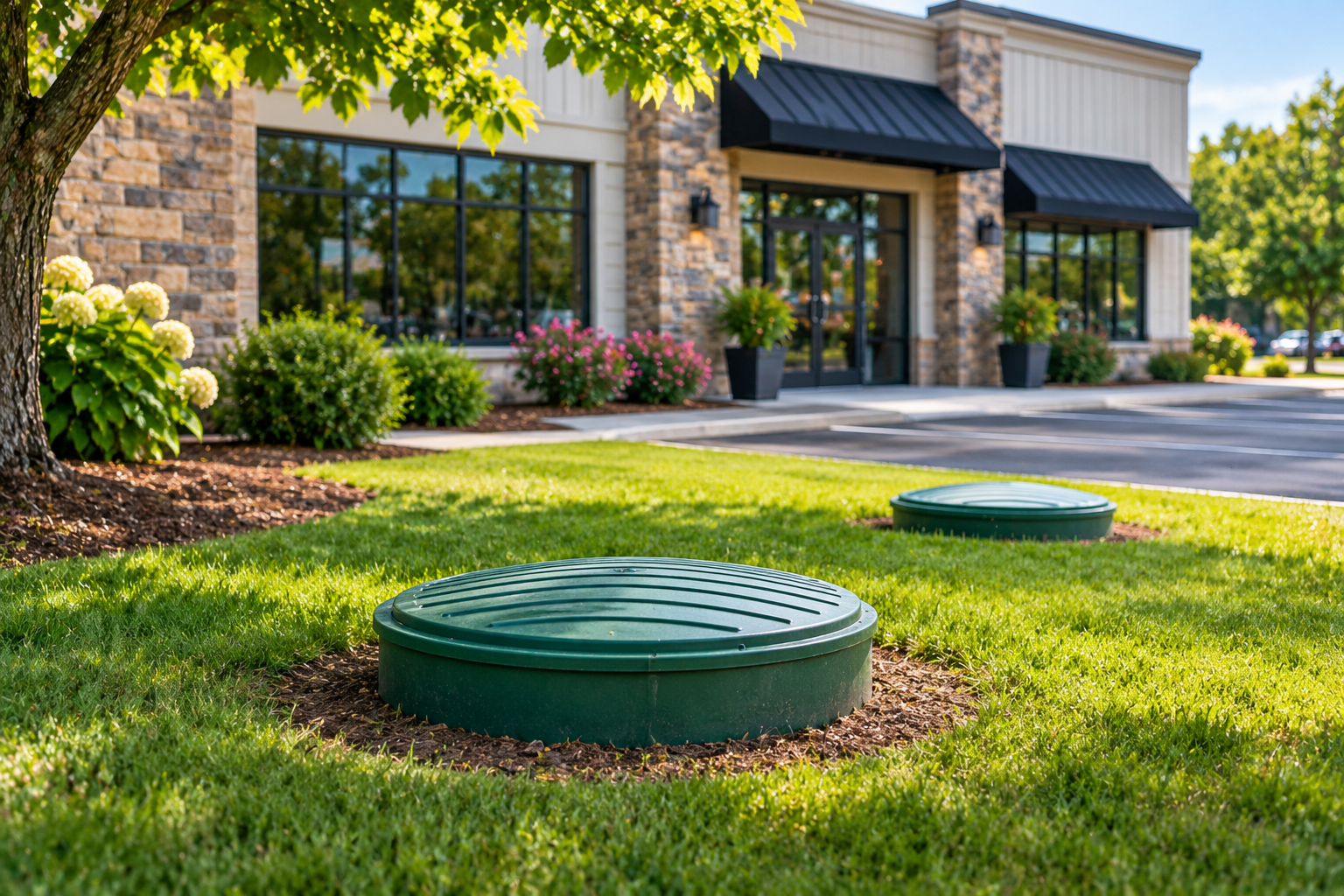
Running a business in Cleveland, TX, means keeping track of countless responsibilities, from employees and customers to equipment, inventory, and property maintenance. However, there’s one essential system that often gets overlooked until something goes wrong: your septic system. Maybe you operate a restaurant outside the city sewer service area, manage a commercial building along Highway 59, or own an industrial property that relies on an on-site wastewater system. Whatever your situation, a septic backup or unexpected equipment failure can disrupt operations, create sanitation concerns, and leave you scrambling for repairs when you can least afford the interruption.
A commercial septic system collects and treats wastewater generated by a business or other nonresidential property that isn’t connected to a public sewer system. Unlike many residential installations, commercial systems may need to accommodate larger wastewater volumes, changing occupancy levels, and specialized waste characteristics. Proper system selection, regular inspections, septic pumping, and professional maintenance all help keep these systems operating as intended.
Here are five important things business owners should know:
- Commercial septic systems aren’t one-size-fits-all: Restaurants, offices, warehouses, and industrial properties can have different wastewater demands.
- System design depends on the property: Soil conditions, wastewater volume, available space, and applicable Texas regulations influence installation requirements.
- Routine maintenance helps prevent disruptions: Regular inspections and timely pumping can reduce the likelihood of backups and drainfield problems.
- Certain businesses need additional wastewater controls: Restaurants and food service facilities may require grease interceptors to manage fats, oils, and grease.
- Professional oversight matters: Texas regulates septic installation, repair, and certain maintenance activities, making qualified service providers essential.
At All Pro Septic, we’ve provided septic services in Cleveland, TX, and surrounding East Texas communities since 1999. Our work includes residential, commercial, and industrial septic installation, repairs, maintenance, septic tank services, sewage pump repairs, line cleaning, and grease trap cleaning. We understand that business owners need dependable wastewater systems that support daily operations without unnecessary complications. Whether you’re planning a new installation or dealing with an existing system that isn’t working properly, we’re here to help you understand the available service options.
What Is a Commercial Septic System?
A commercial septic system is an on-site wastewater treatment system designed to handle sewage generated by a business, commercial building, or other nonresidential facility. Its components and capacity depend on wastewater production, property conditions, and the treatment and disposal methods approved for the site.
How Commercial Septic Systems Work
A septic system receives wastewater through a building’s plumbing and directs it into treatment equipment. Depending on the system, solids may settle in a tank while wastewater undergoes additional treatment before entering an approved disposal area.
Some installations use conventional septic tanks and drainfields, while others require pumps, aerobic treatment equipment, or alternative distribution methods.
The overall purpose is to treat and disperse wastewater safely on the property. To accomplish that, the system must be appropriately designed, installed, and maintained.
How Commercial Systems Differ From Residential Systems
A typical household produces wastewater from bathrooms, laundry, kitchens, and everyday activities. Commercial properties may introduce additional demands because of employee numbers, customer traffic, operating hours, and business-specific processes.
For example, a busy restaurant in Cleveland may generate wastewater containing more food-related solids and grease than a small professional office. A warehouse with limited plumbing fixtures may have a very different wastewater profile.
These differences influence treatment needs and system design. A septic system that works for a single-family home shouldn’t automatically be assumed suitable for commercial use.
Which Types of Septic Systems Are Used for Businesses?
Commercial properties may use conventional septic systems, aerobic treatment systems, or alternative wastewater distribution arrangements depending on the approved site design. The appropriate choice depends on soil suitability, wastewater characteristics, projected flow, and Texas on-site sewage facility requirements.
Conventional Septic Systems
A conventional system typically uses a septic tank for initial wastewater treatment and an approved soil absorption area for dispersal. This arrangement can be appropriate when the property’s soil and site conditions support the required treatment and disposal methods.
However, a conventional system isn’t automatically suitable for every commercial building. High wastewater volumes, limited space, or unfavorable soil conditions can require another approach.
Aerobic Septic Systems
An aerobic septic system uses oxygen as part of its wastewater treatment process. These systems may incorporate an aerator, additional treatment components, pumps, and approved disposal equipment.
Aerobic systems can be appropriate for certain properties where conventional treatment or dispersal isn’t suitable. Because they contain mechanical and electrical components, they also require appropriate inspections and maintenance.
We provide aerobic septic system services, including maintenance and repairs. Our team can help property owners discuss system concerns and determine which service approach is appropriate.
Low-Pressure Dosing Systems
Low-pressure dosing uses pumps and piping to distribute treated wastewater across an approved disposal area. Rather than relying entirely on gravity, the system delivers wastewater in controlled doses.
This type of distribution can be useful in certain site conditions, but it must be designed to meet the applicable requirements. Business owners considering low-pressure dosing should confirm installer qualifications and the available service scope before proceeding.
What Should Business Owners Know About Septic Installation in Cleveland, TX?
Commercial septic installation in Cleveland requires evaluating the property, estimating wastewater demands, selecting an appropriate treatment system, and obtaining the required approvals. Texas regulates on-site sewage facilities, commonly called OSSFs, under rules administered by the Texas Commission on Environmental Quality.
Start With a Professional Site Evaluation
Before a new septic system is installed, Texas generally requires a site evaluation by a qualified professional. This assessment considers soil characteristics, available disposal space, and nearby features that may affect treatment or wastewater dispersal.
For businesses on rural properties outside Cleveland, these conditions can vary considerably from one location to another. A neighboring property having a conventional system doesn’t necessarily mean your site will qualify for the same installation.
Plan for the Actual Business Use
A commercial septic system should be designed around the property’s projected wastewater volume and characteristics. The type of business, number of occupants, plumbing fixtures, and daily operating patterns can all affect the design.
For example, an office may produce wastewater differently from a restaurant, event venue, or industrial workshop. Planning around the intended use can help avoid installing a system that doesn’t adequately accommodate the facility.
Understand Permit Requirements
The Texas Commission on Environmental Quality generally requires permits and approved plans to construct, install, alter, extend, or repair an OSSF, subject to specific exceptions. Local permitting authorities may also enforce requirements that are more stringent than statewide minimums.
Liberty County publishes its own permitting guidance for on-site sewage facilities. Business owners should confirm the applicable jurisdiction and current requirements before starting construction or major repairs.
At All Pro Septic, we provide septic installation services for commercial and industrial properties. We can discuss the proposed project and help customers identify the next steps for evaluating an appropriate system.
How Often Does a Commercial Septic System Need Maintenance?
Business septic maintenance should follow the system’s design, actual wastewater load, permit conditions, and applicable inspection requirements. There isn’t one universal pumping or maintenance interval that works for every commercial septic system.
Routine Septic Inspections
Regular inspections can identify deteriorating components, excessive solids, pump concerns, and other developing problems. They also help establish whether the system is performing as expected.
For certain aerobic and other treatment systems, Texas requires maintenance contracts and periodic reporting under applicable conditions. The state generally requires inspection and reporting at least once every four months for covered maintenance arrangements, with some qualifying systems eligible for a different interval.
Commercial property owners should confirm their specific system requirements instead of assuming residential maintenance rules apply.
Septic Tank Pumping
Commercial septic pumping removes accumulated sludge and scum from the tank. Without appropriate pumping, excessive buildup may interfere with treatment and allow solids to enter parts of the system where they don’t belong.
The necessary pumping frequency depends on tank capacity, wastewater volume, solids accumulation, and how the facility operates. A high-traffic business may need a different schedule from a lightly used commercial building.
Rather than choosing an arbitrary interval, arrange inspections and pumping according to the system’s condition and professional recommendations.
Maintenance Records
Keeping records of inspections, pump-outs, repairs, and maintenance visits can help business owners track system performance. These documents may also be important for regulatory or property-management purposes.
A record of recurring problems can reveal patterns that deserve attention. For example, repeated sewage pump failures may indicate a larger system issue rather than an isolated equipment problem.
What Septic Concerns Are Common for Restaurants and Food Businesses?
Restaurants and food service facilities often face additional wastewater concerns because grease, food solids, and heavy kitchen water use can affect plumbing and septic treatment. A septic system for restaurants should be evaluated with these wastewater characteristics in mind.
Grease Can Create Serious Problems
Fats, oils, and grease can accumulate inside drains, interceptors, and other wastewater components. When excessive grease enters a septic system, it can interfere with treatment and contribute to drainage problems.
Restaurants should use appropriate grease management equipment and follow the requirements applicable to their facilities. Pouring used cooking oil into sinks or floor drains isn’t a suitable disposal method.
Grease Trap Cleaning Is a Separate Service
A grease trap or interceptor captures certain fats, oils, and grease before wastewater continues into the drainage system. It requires periodic cleaning because the collected material accumulates over time.
Grease trap cleaning doesn’t replace septic tank pumping. Restaurants using both systems need maintenance arrangements appropriate to each piece of equipment.
We provide grease trap cleaning alongside our septic services. This allows commercial customers to discuss multiple wastewater maintenance needs with our team.
Heavy Water Use Requires Planning
Restaurants may produce substantial wastewater from dishwashing, food preparation, restroom use, and cleaning. If the septic system isn’t designed to accommodate that demand, performance problems can develop.
Business owners expanding kitchen operations should review whether their existing wastewater system can support the additional use. Adding fixtures or increasing occupancy may also trigger permitting or system evaluation requirements.
What Are the Warning Signs of Commercial Septic Problems?
Common warning signs of commercial septic problems include slow drains, repeated plumbing backups, sewage odors, standing wastewater, and malfunctioning pumps or alarms. These symptoms may indicate a blockage, equipment issue, overloaded system, or developing drainfield problem.
Watch for the following:
- Multiple fixtures draining slowly at the same time.
- Toilets or floor drains backing up repeatedly.
- Sewage odors around the building or septic equipment.
- Wet or unusually saturated areas near the disposal field.
- Wastewater surfacing above the ground.
- Aerobic system alarms or sewage pump warnings.
- Repeated clogs despite routine plumbing maintenance.
- Unexplained changes in septic system performance.
Not every slow drain means the septic tank has failed. However, recurring symptoms affecting several fixtures or the outdoor system deserve professional attention.
For Cleveland business owners, addressing these problems early may help reduce the extent of disruption. Ignoring warning signs can allow an existing problem to worsen and potentially affect sanitation or property use.
How Can Commercial Property Owners Prevent Septic Backups and Drainfield Damage?
Preventing commercial septic problems involves managing wastewater carefully, scheduling professional maintenance, and protecting the system’s treatment and disposal areas. These practices can help reduce avoidable problems, although no maintenance program can guarantee that a system will never fail.
Keep Inappropriate Materials Out of Drains
Employees should understand what can and cannot enter the wastewater system. Wipes, hygiene products, grease, and other unsuitable materials can contribute to blockages and operational problems.
For restaurants, proper food waste disposal and grease management are particularly important. Staff training can help reduce the amount of material entering the system unnecessarily.
Protect the Drainfield
A septic drainfield needs suitable soil conditions to absorb and disperse treated wastewater. Heavy vehicles, construction equipment, and excessive surface loads may damage components or compact the surrounding soil.
Avoid parking trucks, storing heavy materials, or building over septic system components. This is particularly relevant for commercial properties with delivery areas, equipment yards, or expanding parking facilities.
Monitor Water Use
Unexpected increases in water consumption can place additional demand on a septic system. Leaking toilets, malfunctioning fixtures, or changes in daily operations may contribute to excess wastewater flow.
Monitor water usage and repair leaks promptly. If the business expands or adds plumbing fixtures, arrange a professional review of the system’s capacity.
Address Equipment Problems Promptly
Aerobic systems and other pump-assisted installations may rely on motors, electrical controls, alarms, and related components. Problems with these components can affect wastewater treatment or distribution.
We provide sewage pump repair and other septic repair services for commercial customers. Prompt evaluation helps determine whether a component can be repaired or whether additional work is necessary.
When Should a Business Repair or Replace Its Septic System?
A commercial septic system may need repair or replacement when components fail, wastewater disposal becomes unreliable, or the existing installation can no longer support the property’s use. The correct decision depends on the cause of the problem and whether the system can be restored to compliant operation.
When Repairs May Be Appropriate
Some issues involve individual components rather than the entire system. A damaged line, faulty sewage pump, or other isolated malfunction may be repairable after proper diagnosis.
For example, a business experiencing recurring pump alarms may need an equipment evaluation rather than immediate replacement of the entire septic installation. The actual problem must be identified before a repair recommendation can be made.
When a Larger System Upgrade May Be Needed
More extensive work may be necessary when a drainfield has failed, treatment capacity is inadequate, or the system has serious underlying deterioration. A change in business use may also require improvements.
Texas generally requires appropriate authorization for septic system alterations and significant repairs. Business owners should discuss the necessary evaluations and approvals before beginning major work.
At All Pro Septic, we offer installation, maintenance, and repair services for commercial properties. Our goal is to help customers understand their system’s condition and the appropriate options for addressing problems.
Why Choose All Pro Septic for Commercial Septic Services?
All Pro Septic provides installation, maintenance, and repair services for residential, commercial, and industrial septic systems in Cleveland, TX, and surrounding East Texas areas. Our services also include sewage pump repair, line cleaning, grease trap cleaning, and aerobic septic system support.
Experience With Different Property Needs
A residential home, restaurant, commercial building, and industrial facility may place very different demands on wastewater equipment. We work with a range of property types and understand the importance of evaluating the specific system before recommending service.
Whether you’re managing an existing installation or planning a new one, we can discuss the scope of work and available options. Our goal is to help keep essential wastewater equipment operating properly.
Installation, Maintenance, and Repairs
Working with a provider offering multiple septic services can make it easier to coordinate different stages of system care. Instead of treating installation and maintenance as unrelated responsibilities, owners can consider long-term service needs from the beginning.
We offer new installations, repairs, maintenance, line cleaning, and sewage pump services. We also work with aerobic systems and provide grease trap cleaning for properties that need it.
Serving Cleveland and Surrounding East Texas Communities
Commercial properties throughout Cleveland, Tarkington, New Caney, and nearby rural communities may rely on septic systems where centralized sewer connections aren’t available. Site conditions and permitting requirements should always be evaluated according to the property’s actual location.
We serve the Cleveland area and provide septic services for a range of residential and commercial customers. Contact our team to discuss your property’s location and specific service needs.
Frequently Asked Questions About Commercial Septic Systems
What is the difference between a residential and commercial septic system?
Commercial septic systems are designed around wastewater demands associated with businesses and other nonresidential uses. Depending on the property, they may require different treatment capacity, equipment, monitoring, and maintenance arrangements than a typical household installation.
How often should a commercial septic tank be pumped?
The appropriate schedule depends on the tank’s size, solids accumulation, wastewater volume, and operating conditions. A professional inspection can help determine when pumping is necessary rather than relying on a fixed interval for every business.
Does a restaurant in Cleveland, TX, need a special septic system?
A restaurant may require a septic design that accounts for food service wastewater volumes and characteristics, along with appropriate grease management equipment. The applicable requirements depend on the facility’s use, site evaluation, and local permitting authority.
Can commercial septic systems use aerobic treatment?
Yes, aerobic treatment systems are used for certain commercial and residential applications when permitted and appropriately designed. These systems rely on additional treatment components and may be subject to specific maintenance and reporting requirements.
Does Texas require permits for commercial septic installation?
Texas generally requires permits and approved plans for on-site sewage facility installation, alteration, and significant repair work, subject to applicable exceptions. Businesses should confirm current requirements with the local permitting authority before proceeding.
What causes a commercial septic system to back up?
Backups may result from excessive solids, blocked pipes, pump failures, hydraulic overloading, or drainfield problems. An inspection can help identify whether the issue involves an isolated component or a more extensive system concern.
Does All Pro Septic provide commercial septic repairs?
Yes, we offer septic repairs for commercial and industrial properties, along with sewage pump repair and line cleaning. We also provide installation and maintenance services for customers in the Cleveland area.
Can heavy rainfall affect a commercial septic system?
Heavy rainfall can contribute to saturated soil conditions that affect wastewater absorption and drainage performance. However, the impact depends on the system design, site conditions, and whether other problems are present.
Is grease trap cleaning the same as commercial septic pumping?
No, grease trap cleaning removes accumulated fats, oils, grease, and solids from kitchen wastewater equipment, while septic pumping removes accumulated material from a septic tank. Both may be necessary for certain restaurants, but they serve different purposes.
Should a business owner attempt septic system repairs?
Commercial septic repairs should be evaluated and performed by appropriately qualified professionals according to applicable Texas requirements. Wastewater exposure, electrical components, buried equipment, and confined spaces can create serious hazards for untrained individuals.
Keep Your Business Running With Proper Septic Care
A commercial septic system may not be the first thing you think about when managing a business, but its condition can affect everything from employee restrooms to daily operations and customer experience. For business owners throughout Cleveland and surrounding East Texas communities, understanding system capacity, proper maintenance, and common warning signs is an important part of protecting the property. Whether you operate a restaurant, office, warehouse, or industrial facility, the right approach begins with understanding how your septic system works and what it needs to function properly. Regular inspections, timely pumping, and appropriate repairs can help reduce preventable problems while supporting responsible wastewater management.
At All Pro Septic, we’ve provided septic installation, repair, and maintenance services to Cleveland-area customers since 1999. We work with residential, commercial, and industrial properties, offering services that include septic tank installation, aerobic system support, sewage pump repair, line cleaning, and grease trap cleaning. We understand that each property has its own wastewater demands, which is why evaluating the specific system and operating conditions matters. Whether you’re preparing a property for development, arranging maintenance, or addressing a system that isn’t performing as expected, we’re here to discuss practical service options and help you move forward with confidence.
Get Dependable Commercial Septic Service in Cleveland, TX
Your business depends on reliable plumbing and wastewater management, and regular professional septic care is an important part of keeping those systems functioning. Contact All Pro Septic to discuss commercial septic installation, pumping, repairs, maintenance, or sewage pump services for your Cleveland-area property.
Categorised in: Commercial Septic Systems, Septic Systems