How to Protect Your Drain Field from Damage
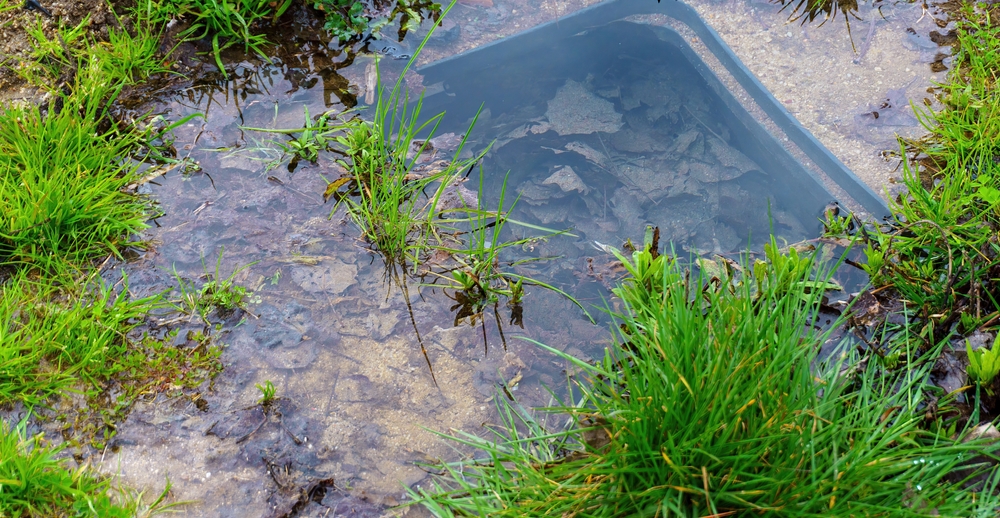
A healthy drain field is one of the most important parts of a septic system, yet it is also one of the easiest to accidentally damage. In the Cleveland, TX area, heavy rains, clay-rich soils, growing neighborhoods, and changing landscaping projects can all put extra stress on residential septic systems. Understanding how to protect your drain field can help you avoid expensive repairs and extend the life of your entire septic system.
Quick Answer
Protecting your drain field starts with preventing excess water, avoiding heavy traffic, using water wisely, and scheduling regular septic maintenance. Homeowners in Cleveland, TX should also pay attention to local soil conditions and seasonal rainfall, which can affect how efficiently a drain field absorbs and filters wastewater.
What Local Readers Should Know
-
Never drive or park vehicles over your drain field because compacted soil reduces its ability to treat wastewater.
-
East Texas storms and prolonged rainfall can oversaturate drain fields, making proper drainage especially important.
-
Plant only shallow-rooted grass over the drain field and keep trees and large shrubs well away from the area.
-
Routine septic tank pumping helps prevent solids from reaching and clogging the drain field.
-
Homeowners throughout Liberty County and nearby communities benefit from regular inspections before small problems become major repairs.
Why This Matters Locally
Protecting a drain field is especially important in Cleveland because the region experiences periods of heavy rainfall, warm temperatures, and varying soil conditions. Many rural and suburban properties throughout Liberty County rely on private septic systems rather than municipal sewer service. Excess moisture, expanding clay soils, and increased residential development can all affect how well a drain field performs.
At All Pro Septic, we help homeowners understand how local conditions affect their septic systems so they can avoid unnecessary damage and costly replacements. Our goal is to help families protect one of the most valuable parts of their property’s wastewater system.
Local Data or Field Observations
Professional field observations show that drain field problems often develop gradually rather than suddenly. In the Cleveland area, we frequently see issues caused by excessive water entering the system, landscaping changes, vehicle traffic, and neglected septic tank maintenance. These conditions reduce the soil’s ability to properly filter wastewater and can shorten the life of the drain field.
Local Impact
A damaged drain field can affect much more than the septic system itself. Homeowners may notice soggy areas in the yard, unpleasant odors, slow drains, or sewage backups inside the home. In communities throughout Cleveland, Splendora, Shepherd, and surrounding parts of Liberty County, these issues often become more noticeable after extended rainy periods when the soil is already saturated.
Replacing a drain field is significantly more expensive than routine maintenance, making prevention the most cost-effective approach.
Warning Signs Your Drain Field May Be at Risk
A drain field often shows early warning signs before complete failure occurs. Watch for:
-
Standing water over or near the drain field.
-
Persistent sewage odors outdoors.
-
Grass that is unusually green or grows faster over the drain field.
-
Slow draining sinks, tubs, or toilets.
-
Frequent plumbing backups.
-
Gurgling sounds in household drains.
-
Wet soil that remains saturated long after rainfall has ended.
If you notice any combination of these symptoms, it is a good idea to have the system professionally inspected.
When to Call a Professional
A professional inspection is recommended whenever you notice recurring drainage problems, sewage odors, standing water, or signs that wastewater is not dispersing properly. Homeowners can safely monitor water usage, protect the drain field from damage, and observe changes in the yard, but diagnosing underground septic problems requires specialized equipment and experience.
Prompt service is particularly important after severe storms or flooding in the Cleveland area because saturated soil can place additional stress on the system.
Common Local Causes of Drain Field Damage
Protecting your drain field begins with understanding what commonly causes failures.
1. Excess Water Usage
Running multiple loads of laundry in one day, long showers, or leaking plumbing fixtures can overwhelm the drain field with more wastewater than it can absorb.
2. Heavy Vehicles
Cars, trucks, trailers, RVs, and construction equipment compress the soil, reducing the spaces that allow wastewater to filter naturally.
3. Tree Root Intrusion
Large trees seek moisture and can send roots into septic pipes or the drain field itself, restricting proper flow.
4. Poor Surface Drainage
Improper grading, roof downspouts, or landscape drainage that directs water toward the drain field can keep the soil saturated.
5. Lack of Septic Tank Maintenance
When septic tanks are not pumped on schedule, solids can enter the drain field and clog the soil permanently.
Prevention and Maintenance Tips
Protecting your drain field is much easier than replacing it.
Homeowners should:
-
Pump the septic tank according to professional recommendations.
-
Repair leaking faucets and toilets promptly.
-
Spread laundry loads throughout the week instead of doing them all at once.
-
Keep roof drains and surface runoff away from the drain field.
-
Mark the drain field location before installing landscaping or fencing.
-
Plant only grass over the drain field.
-
Keep livestock, heavy equipment, and vehicles off the area.
-
Schedule routine inspections to identify developing issues early.
Seasonal inspections before periods of heavy rainfall can be especially helpful in Southeast Texas.
Expected Results from Proper Drain Field Care
Proper maintenance helps maximize the lifespan of your septic system while reducing the risk of expensive repairs. Although every property is different, homeowners who protect their drain field from excessive water, compaction, and root intrusion are generally less likely to experience premature system failures.
Routine inspections also allow developing issues to be identified before they become major excavation projects.
Common Mistakes Homeowners Make
Mistake: Parking vehicles on the drain field.
Consequence: Soil becomes compacted, limiting wastewater absorption.
Better Approach: Keep the area reserved for grass and foot traffic only.
Mistake: Planting trees too close.
Consequence: Roots invade septic components.
Better Approach: Choose shallow-rooted vegetation and maintain adequate distance.
Mistake: Ignoring slow drains.
Consequence: Small septic issues may develop into drain field failures.
Better Approach: Schedule an inspection if drainage problems continue.
Mistake: Sending roof runoff toward the drain field.
Consequence: Saturated soil cannot properly treat wastewater.
Better Approach: Direct gutters and drainage away from the septic system.
Common Local Scenario
A common situation in the Cleveland area occurs after several days of heavy rainfall. A homeowner notices standing water near the drain field and assumes the system has failed. In many cases, saturated soil combined with excessive household water use temporarily overloads the drain field. A professional inspection can determine whether the issue is temporary or if maintenance or repairs are needed.
Related Service Solutions
Several septic services help protect your drain field over the long term, including:
-
Routine septic tank pumping.
-
Septic system inspections.
-
Drain field evaluations.
-
Septic repairs.
-
Preventive maintenance programs.
Comparing Your Options
| Option | Benefits | Limitations |
|---|---|---|
| DIY monitoring | Helps identify early warning signs | Cannot diagnose underground problems |
| Routine professional maintenance | Extends system life and prevents major failures | Requires scheduled service |
| Waiting until problems appear | No immediate cost | Higher risk of expensive repairs and drain field replacement |
Service Areas
We proudly serve homeowners in Cleveland, TX, along with Liberty County and nearby communities including Splendora, Shepherd, Tarkington Prairie, and surrounding East Texas areas. Local knowledge allows us to recommend septic solutions suited to regional soil and weather conditions.
Cost of Ignoring the Issue
Ignoring early drain field problems can allow small issues to become much larger repairs. Continued overloading, soil compaction, or clogged drain lines may eventually require partial or complete drain field replacement. Addressing warning signs early is typically less disruptive and more affordable than waiting for a system failure.
Frequently Asked Questions
How can I protect my drain field in Cleveland, TX?
The best way to protect your drain field is to limit excess water usage, avoid driving over the area, maintain your septic tank, and keep surface water away. Local rainfall patterns make drainage management especially important in Cleveland.
Can heavy rain damage a drain field?
Heavy rain does not usually damage the drain field itself, but saturated soil reduces its ability to absorb wastewater. During extended wet periods in Liberty County, conserving household water can reduce stress on the system.
Is it safe to plant trees near my drain field?
No. Large trees and shrubs can send roots into septic pipes and the drain field. Grass is generally the safest landscaping choice above the drain field.
How often should my septic tank be pumped?
The appropriate schedule depends on household size, water usage, and tank capacity. Regular inspections help determine the best maintenance interval for your property.
Can I build a shed over my drain field?
No. Permanent structures should never be placed over a drain field because they add weight, restrict maintenance access, and interfere with proper wastewater treatment.
Why is my yard wet over the drain field after rain in Cleveland?
The direct answer is that saturated soil may be unable to absorb additional wastewater efficiently. If wet conditions continue after the ground dries, a professional inspection is recommended.
Does parking on the drain field really cause damage?
Yes. Heavy vehicles compress the soil and may damage underground pipes, reducing the drain field’s ability to treat wastewater.
What should I do if I smell sewage outside?
The direct answer is to schedule a professional septic inspection promptly. Persistent odors may indicate that wastewater is not filtering properly through the drain field or another septic component requires attention.
Protect Your Septic System Before Problems Grow
Your drain field is designed to quietly handle wastewater every day, but it depends on proper care to continue working efficiently. By following good maintenance practices and addressing small concerns early, homeowners throughout Cleveland and the surrounding area can help extend the life of their septic systems.
Protect Your Drain Field with Professional Septic Service
Keeping your drain field healthy today can help prevent expensive repairs tomorrow. Contact us to schedule an inspection, discuss maintenance options, or learn more about protecting your septic system in the Cleveland, TX area.
Categorised in: Septic System Maintenance