How Regular Grease Trap Cleaning Saves Restaurants Money
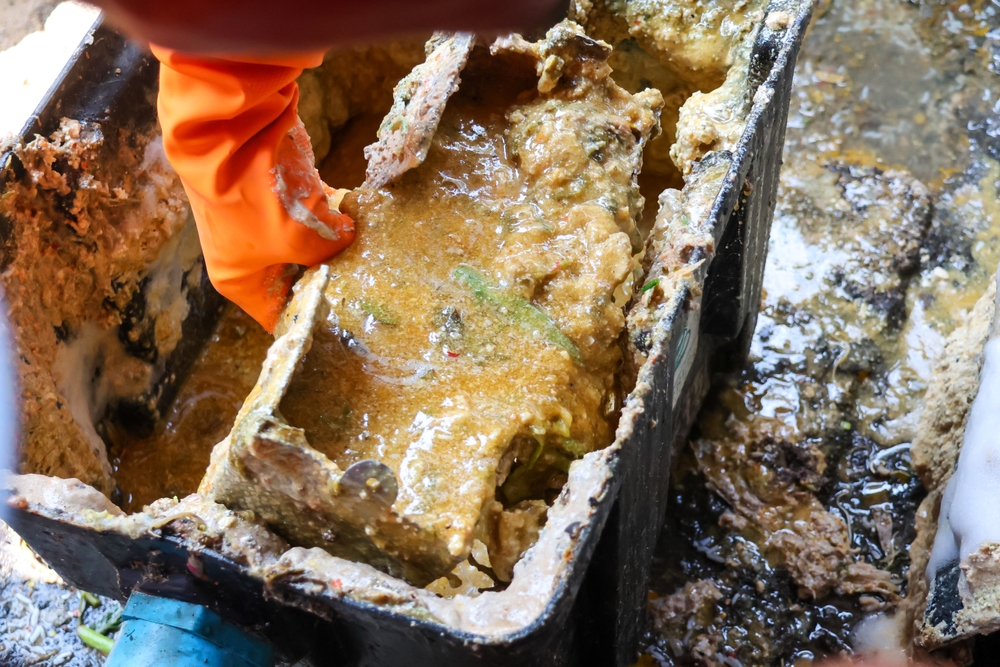
Running a successful restaurant involves managing numerous expenses and operational challenges. One often overlooked but critically important maintenance task is regular grease trap cleaning. Many restaurant owners view grease trap maintenance as an unnecessary expense, but the reality is quite different. Implementing a consistent grease trap cleaning schedule can save restaurants significant money in the long run while protecting their operations from costly disruptions. Understanding the financial benefits of this preventive maintenance approach is essential for any restaurant manager or owner who wants to maximize profitability and minimize unexpected expenses.
Grease traps are essential components of restaurant plumbing systems that capture fats, oils, and grease before they enter the municipal sewer system. Without proper maintenance, these systems can become overwhelmed with buildup, leading to serious consequences for your business. The key to avoiding expensive problems is recognizing that grease trap cleaning represents an investment in your restaurant’s future rather than an expense to minimize. By prioritizing scheduled maintenance and understanding how it impacts your bottom line, you can make informed decisions that benefit your restaurant’s financial health.
Grease Trap Functionality and Maintenance Needs
Grease traps work by slowing down wastewater as it flows through the system, allowing grease and solids to separate and settle at the bottom while cleaner water exits toward the sewer line. Over time, the accumulated grease, food particles, and other debris build up inside the trap. Without regular cleaning, this buildup becomes so dense that the trap can no longer function effectively. The accumulation process happens gradually, which means many restaurant owners don’t realize there’s a problem until a backup occurs and causes significant disruption to operations.
The frequency of grease trap cleaning depends on several factors, including the size of your trap, the volume of cooking your restaurant does, and local regulations. Most restaurants benefit from grease trap cleaning on a schedule ranging from monthly to quarterly, with high-volume establishments needing more frequent service. Scheduling maintenance on a predictable timeline allows you to plan for the expense and coordinate with service providers when it’s most convenient for your restaurant’s operations. This proactive approach to grease trap cleaning prevents emergency situations that could force you to close your kitchen unexpectedly.
How Scheduled Maintenance Prevents Costly Backups
The most financially damaging consequence of neglecting grease trap maintenance is a backup in your plumbing system. When a grease trap becomes too full or too clogged, wastewater has nowhere to go, and it backs up through your kitchen drains and into sinks, dishwashing stations, and sometimes even your dining area. An emergency backup requires immediate attention and can force you to close your kitchen, losing revenue during the time you cannot serve customers. Beyond the lost revenue, emergency plumbing calls cost substantially more than scheduled maintenance visits.
When you choose regular grease trap cleaning as part of your preventive maintenance strategy, you eliminate the conditions that lead to backups. A properly functioning trap that receives regular attention will continue to do its job effectively, keeping your kitchen operations running smoothly. The cost of scheduled cleaning is minimal compared to the expenses associated with emergency service calls, potential health code violations, and lost business during an unexpected closure. Restaurant owners who maintain their grease traps on schedule rarely experience the panic and financial losses that come with emergency plumbing situations.
The ripple effects of a plumbing backup extend beyond the immediate repair costs. A backup might require you to close your kitchen for several hours or even an entire day while plumbers work to clear the blockage. During this time, you lose all revenue from food sales, and you disappoint customers who made reservations or planned to visit your restaurant. Additionally, the incident could damage your restaurant’s reputation if customers experienced the backup or if word spreads about the closure. Regular grease trap cleaning is one of the most effective ways to prevent this scenario entirely.
Reducing Overall Plumbing Costs Through Prevention
The financial impact of regular grease trap cleaning extends beyond preventing backups; it also protects your entire plumbing system from damage. When a grease trap isn’t maintained properly, grease can escape into the municipal sewer lines, causing problems that result in fines for your restaurant. These fines can be substantial, particularly if your municipality has strict regulations about FOG (fats, oils, and grease) contamination. In some cases, restaurants have been fined thousands of dollars for allowing grease to contaminate the city’s sewer system.
Beyond municipal fines, neglected grease traps can cause damage to your restaurant’s internal plumbing system. Grease buildup can harden and create blockages in pipes throughout your kitchen, affecting sinks, floor drains, and dishwashing equipment. When these blockages occur, you’ll need expensive drain cleaning services to remove the blockage, and you might need to replace damaged pipes. Some restaurants have discovered that years of neglecting grease trap cleaning led to deteriorated pipes that required extensive replacement, costing thousands of dollars that proper maintenance would have prevented.
When you maintain your grease trap through regular cleaning, you protect the investment you’ve made in your kitchen’s plumbing infrastructure. The relatively small cost of routine maintenance prevents the large expenses associated with pipe repairs, replacements, and emergency plumbing interventions. Most restaurant owners find that a year’s worth of scheduled grease trap cleaning costs far less than a single emergency repair or pipe replacement project.
Business Compliance and Avoiding Regulatory Penalties
Health departments and municipal authorities establish strict regulations regarding grease trap maintenance because FOG contamination in sewer systems creates expensive problems for municipalities. These regulations exist to protect public infrastructure and the environment, and restaurants must comply or face significant penalties. Many restaurant owners don’t realize that grease trap cleaning is not optional; it’s a legal requirement that can be enforced through inspections and citations.
When health inspectors visit your restaurant, they often check for evidence of proper grease trap maintenance. If your grease trap hasn’t been cleaned recently or shows signs of serious neglect, you could receive a citation that requires corrective action within a specific timeframe. Failure to comply with health department orders can result in escalating fines and, in extreme cases, temporary closure orders until the problem is resolved. By maintaining your grease trap through regular professional cleaning, you ensure compliance with all applicable regulations and avoid the stress and expense of violations and citations.
Documentation of your grease trap cleaning schedule provides evidence of your commitment to compliance during health inspections. Professional grease trap cleaning services provide documentation that can demonstrate to inspectors and regulators that you take maintenance seriously. This documentation becomes invaluable if a regulatory issue ever arises, showing that you’ve maintained a consistent maintenance schedule. For restaurant owners concerned about legal compliance, regular grease trap cleaning offers peace of mind that comes from knowing your operations meet all applicable regulations.
Long-Term Financial Benefits of Proactive Maintenance
Looking at the broader financial picture, restaurants that implement regular grease trap cleaning realize significant long-term savings compared to those that take a reactive approach. The difference between proactive maintenance and reactive response to problems can amount to thousands of dollars annually when all costs are considered. Proactive restaurants avoid emergency repair bills, municipal fines, lost revenue from closures, potential health code violations, and premature replacement of damaged plumbing infrastructure.
When you factor in all these potential expenses, the cost of regular grease trap cleaning becomes remarkably small in comparison. Most restaurants pay between fifty and three hundred dollars per cleaning visit, depending on the size of the trap and local service rates. When you compare this modest investment to the potential expenses from emergency repairs, fines, closures, and system damage, the financial case for regular cleaning becomes overwhelmingly clear. A restaurant that spends one thousand dollars annually on scheduled grease trap cleaning can avoid emergency expenses that might exceed ten thousand dollars or more.
Beyond the direct financial savings, regular grease trap cleaning contributes to overall operational efficiency in your kitchen. When your plumbing systems function properly, your staff can work without worrying about drain issues or backups. This improved efficiency translates to better service for customers and reduced stress for your team. Additionally, knowing that you’re maintaining your equipment properly gives you confidence in your restaurant’s long-term viability and operational reliability.
Conclusion
Regular grease trap cleaning represents one of the most cost-effective investments a restaurant owner can make. By implementing scheduled maintenance and prevent backups through proper grease trap care, you reduce plumbing costs, ensure business compliance with health regulations, and protect your restaurant’s financial health. The relatively modest expense of routine cleaning prevents far more expensive problems that could disrupt your operations and damage your bottom line. Restaurant owners who prioritize grease trap cleaning discover that this simple maintenance task delivers substantial returns through avoided emergency repairs, prevented closures, and eliminated regulatory violations. Making the commitment to regular grease trap cleaning is not just good operational management; it’s a smart financial decision that keeps your restaurant running smoothly and profitably for years to come.
Need Septic Services in Cleveland, TX?
Welcome to All Pro Septic! We are a family-owned and -operated septic tank cleaning business. We can install, repair, and maintain septic tanks for residential, commercial, and industrial properties. We also provide line cleaning, sewage pump repair, and clean grease traps, lint traps, and aerobic systems. We always offer free estimates to better your convenience. Do not let your septic tank stop you from wanting to use the restroom. Call us today and get a quote!
Categorised in: Grease Trap Cleaning
Comments are closed here.