Grease Trap Pumping: What It Is & Why Your Kitchen Can’t Skip It
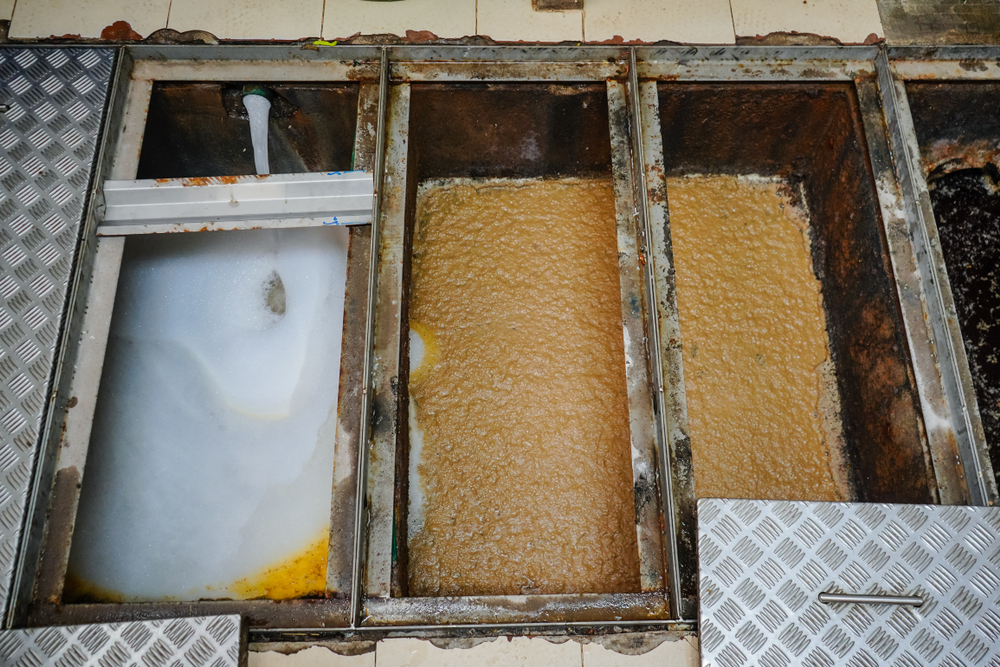
If you operate a commercial kitchen, you already know that keeping things running smoothly requires constant attention. From managing staff to sourcing ingredients, the list of responsibilities never seems to shrink. But one task that often gets pushed to the back burner is grease trap pumping, and ignoring it can lead to consequences far more disruptive and expensive than most kitchen operators anticipate. Understanding what this service involves and why it matters is essential to responsible commercial kitchen maintenance.
What Is a Grease Trap and How Does It Work?
A grease trap, sometimes called a grease interceptor, is a plumbing device designed to capture fats, oils, and grease before they enter the municipal wastewater system. Every time your kitchen staff washes dishes, cleans cooking equipment, or rinses prep surfaces, a mixture of water and grease flows toward the drain. Without intervention, that grease would solidify inside your pipes and eventually make its way into the city sewer lines, causing blockages that affect not just your business but entire neighborhoods.
The grease trap works by slowing down the flow of wastewater, allowing grease to float to the top while food solids sink to the bottom. The relatively cleaner water in the middle layer then passes through to the sewer. Over time, the accumulated grease and solids fill the trap, reducing its efficiency. Once the trap reaches capacity, it can no longer do its job properly, and that is when the real problems begin.
Grease traps come in different sizes and configurations, from small under-sink units in smaller food service operations to large in-ground interceptors capable of handling the output of high-volume restaurants and institutional kitchens. Regardless of size, they all require regular grease trap pumping to stay functional.
Why Grease Trap Pumping Is Non-Negotiable
The most immediate reason to schedule routine grease trap pumping is to prevent backups. A full or neglected grease trap will eventually cause wastewater to back up into your kitchen sinks, floor drains, and dishwashing stations. This is not just a plumbing inconvenience. It is a health code violation, a potential shutdown scenario, and a deeply unpleasant experience for everyone in the building.
Beyond the immediate risk of backups, neglected grease traps produce hydrogen sulfide gas, which creates the unmistakable rotten egg odor that signals a trap in distress. In high concentrations, this gas can be hazardous to workers and, in some cases, corrosive to your plumbing infrastructure. The costs of repairing corroded pipes or replacing damaged plumbing components far exceed the cost of routine fats oils grease removal performed on a consistent schedule.
Health inspectors are also well aware of what a neglected grease trap looks like and smells like. If your trap is overdue for service during an inspection, you could face citations, fines, or temporary closure. For a food service business, losing even a single day of operation to a forced shutdown can be financially devastating. Staying current on your grease management service schedule is one of the simplest ways to stay in compliance and protect your reputation.
How Often Should You Schedule Grease Trap Pumping?
The frequency of grease trap pumping depends on several factors, including the size of your trap, the volume of food you prepare, and the type of cuisine your kitchen produces. A small cafe that serves mostly sandwiches and cold beverages will accumulate grease at a much slower rate than a full-service restaurant frying proteins and sauteing vegetables throughout service.
A common industry rule is the 25 percent rule: if the combined depth of grease and solids in the trap reaches 25 percent of the total liquid depth, it is time for service. This means a kitchen that produces large amounts of fried food or works with animal fats may need grease trap pumping every four to six weeks, while lighter operations might stretch service intervals to every two to three months.
Local municipalities often have their own regulations about how frequently traps must be serviced and what documentation is required. Partnering with a licensed grease management service provider ensures that your records are accurate, your intervals are appropriate, and you are never caught off guard by a compliance inspection. Many operators find that setting up a recurring service schedule eliminates the mental load of tracking it themselves.
The Process Behind Professional Fats Oils Grease Removal
When a licensed technician arrives to perform grease trap pumping, the process is more involved than simply scooping out the contents. A thorough service begins with an inspection of the trap and its components, including the inlet and outlet baffles, which are critical to keeping the trap functioning properly. Damaged or missing baffles can render a trap nearly useless regardless of how recently it was pumped.
The technician then uses a vacuum truck to remove the entire contents of the trap, including the floating grease layer, the middle liquid layer, and the settled solids at the bottom. Partial pumping, sometimes referred to as skimming, is a shortcut that some services use to reduce their time on site. It leaves behind solids that continue to reduce trap capacity and accelerate the buildup cycle. A reputable grease management service will always perform a full pump-out.
After removal, the interior of the trap is rinsed and inspected again. The technician will note the grease and solids levels before service, which helps establish a usage pattern and determine whether your current service interval is appropriate. All waste removed must be transported and disposed of in accordance with local environmental regulations, which is another reason why working with a licensed provider matters.
The documentation provided after each service is also a key deliverable. Inspection reports and service records are your proof of compliance if a regulator asks for them. Organized commercial kitchen maintenance records can be the difference between a smooth inspection and a fine.
Choosing the Right Grease Management Service for Your Kitchen
Not all grease trap pumping providers are equal. When evaluating a grease management service, look for a company that is licensed in your municipality, employs trained technicians, and provides detailed service reports after each visit. A provider that rushes through the job or skips the inspection component is not giving you full value, and more importantly, they may be leaving your kitchen at risk.
Ask about their disposal practices. Properly collected waste should be transported to a licensed facility where it can be recycled into biodiesel or processed according to environmental standards. A company that cannot explain where your waste goes may not be complying with regulations, which could expose your business to liability.
Look for a provider who offers flexible scheduling, particularly if your kitchen operates early mornings or late nights. Grease trap pumping does not need to disrupt service when it is planned properly, and a good provider will work around your operational hours.
Finally, consider the relationship over the long term. A grease management service that learns the rhythms of your kitchen, tracks your usage data across visits, and proactively recommends adjustments to your service schedule is a genuine operational partner. Commercial kitchen maintenance is not a one-time transaction; it is an ongoing commitment that protects your investment, your staff, and your customers.
Conclusion
Grease trap pumping is one of those tasks that is easy to overlook until something goes wrong. By the time you notice a slow drain, a foul odor, or a backup in your kitchen, the problem is already well developed. The good news is that consistent fats oils grease removal, paired with the right grease management service, makes these emergencies almost entirely avoidable.
For any operation that takes commercial kitchen maintenance seriously, staying ahead of grease buildup is not optional. It protects your plumbing, keeps you in compliance, preserves your reputation, and ensures your kitchen can do what it does best without interruption. Schedule your next grease trap pumping service before your trap tells you it is time.
Need Septic Services in Cleveland, TX?
Welcome to All Pro Septic! We are a family-owned and -operated septic tank cleaning business. We can install, repair, and maintain septic tanks for residential, commercial, and industrial properties. We also provide line cleaning, sewage pump repair, and clean grease traps, lint traps, and aerobic systems. We always offer free estimates to better your convenience. Do not let your septic tank stop you from wanting to use the restroom. Call us today and get a quote!
Categorised in: Grease Trap Pumping
Comments are closed here.