Cold Snaps in Texas: How Freezing Temperatures Can Damage Your Septic System (and What to Do About Exposed Pipes)
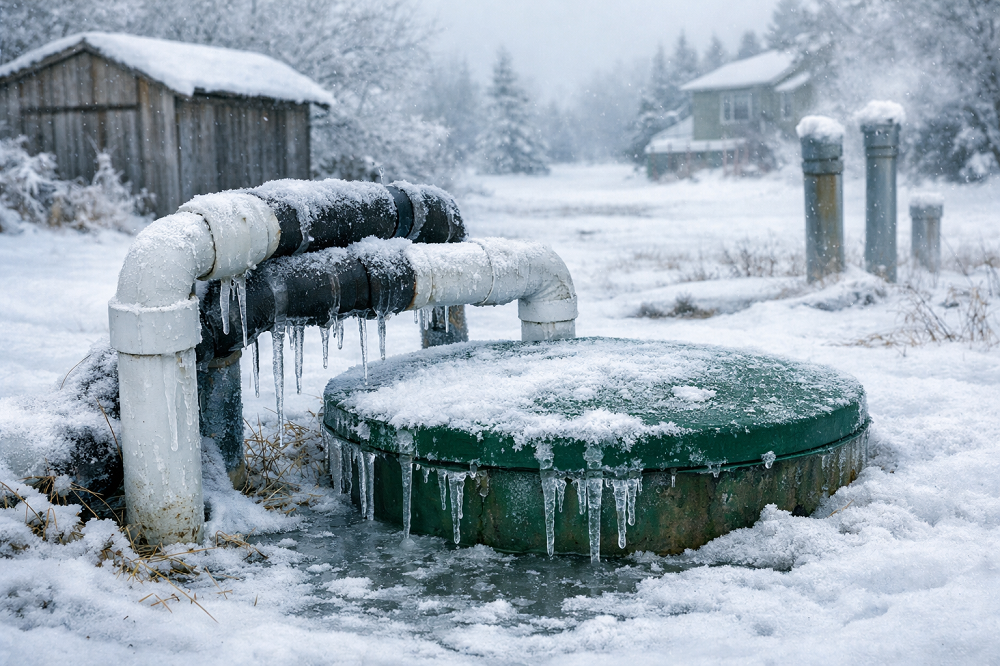
Texas may be known for its hot summers and mild winters, but when a cold snap hits, it can cause serious trouble for homeowners with septic systems. Freezing temperatures can wreak havoc on your plumbing infrastructure, especially if you are unprepared for sudden drops in temperature. In rural and suburban areas where septic systems are more common, these cold fronts can result in frozen septic pipes, reduced drainage efficiency, and costly repairs. Understanding how cold weather affects septic systems and what steps to take for septic system winterization can save you from a major headache.
Why Texas Cold Snaps Are Especially Problematic for Septic Systems
While northern states are equipped with deep-buried pipes and other winter-ready infrastructure, many homes in Texas are not built with severe winterization in mind. This makes them more vulnerable to freezing septic system issues when temperatures plunge unexpectedly. A key problem is the shallow burial of septic lines and components. Pipes, tanks, and drain fields may not be insulated well enough to resist freezing temperatures. Additionally, since cold spells are less frequent in Texas, many homeowners are not aware of the potential damage that a frozen septic system can cause.
When temperatures drop below freezing, any liquid inside the pipes can begin to ice over. This slows or stops wastewater from flowing through the system. A blockage caused by ice can back up waste into your home or cause a rupture in the pipes. If left unaddressed, this can lead to thousands of dollars in damage and pose serious sanitation risks.
How Freezing Temperatures Damage Septic Systems
The freezing of septic system components typically starts with the pipes. If there is any moisture sitting in a pipe exposed to freezing air, ice can form quickly. Over time, the blockage grows, eventually preventing wastewater from flowing out of the house. If wastewater cannot escape, it may back up into sinks, showers, and toilets. This not only creates a health hazard but can damage flooring and drywall.
Septic tanks themselves can freeze in extreme cases, especially if the system has not been used for some time. Lack of regular wastewater flow allows the temperature inside the tank to drop. Ice can form along the inlet or outlet baffle, preventing the system from functioning properly. If this happens, pumping and repairs may be necessary once the system thaws.
The drain field is another vulnerable area. If it becomes saturated and freezes, it can lose its ability to absorb and treat wastewater. A frozen drain field does not thaw easily, especially if the soil is compacted or poorly drained. This results in a backup that affects the entire system.
Exposed Pipes: Your Septic System’s Weakest Link
Exposed pipes are especially at risk during Texas cold snaps. Whether they are part of the plumbing leading to the septic tank, or vent stacks that allow air to circulate through the system, any section of pipe that is not buried or insulated is a freezing hazard.
In many homes, pipes running through crawl spaces, attics, or unheated basements may not be protected from sudden cold. Outdoor plumbing, including pipes leading from detached garages or guesthouses, are even more vulnerable. As temperatures drop, these exposed sections can freeze solid, causing the rest of the plumbing system to back up or crack under pressure.
The freeze-thaw cycle can also strain pipe joints and connections. If water freezes inside the pipe, it expands, potentially causing splits or leaks. When the ice melts, the compromised pipe may begin to leak slowly, creating moisture problems and damaging insulation or wood framing.
How to Prevent Septic Pipes from Freezing
The key to avoiding frozen septic pipes is proactive septic system winterization. This starts with inspecting your system for vulnerabilities. Identify any exposed pipes or areas where insulation is lacking. Apply foam pipe insulation to sections that are above ground or in unheated spaces. For added protection, consider using heat tape on pipes that are most at risk. Heat tape is an electrical cable that warms up and keeps pipes above freezing.
Make sure all septic system components are in good working order before winter hits. This includes inspecting the tank for leaks, checking that the drain field is not overly saturated, and ensuring that wastewater is flowing efficiently. If your system is older or has a history of freezing issues, a professional inspection can help you identify specific problem areas.
Avoid letting your system go idle. Regular usage ensures that warm wastewater flows through the pipes, helping to maintain a temperature that resists freezing. Infrequently used homes or vacation properties are especially at risk for frozen septic pipes. If you plan to be away during the winter, consider draining water lines or keeping a low flow of water running to maintain movement.
Divert any water sources that can lead to surface pooling above your septic tank or drain field. Accumulated water can freeze and add pressure to underlying pipes. Also, limit vehicle or equipment traffic on the drain field, as compacted soil freezes more easily and reduces heat retention.
What to Do If Your Septic System Freezes
If your septic system has already frozen, the first step is to stop using water immediately. Continued usage will cause backups and may worsen the damage. Look for signs such as slow drains, gurgling toilets, or water backing up into lower-level fixtures. These symptoms often indicate a blockage caused by frozen sections in the system.
Do not attempt to thaw frozen pipes with open flames or excessive heat. This is a major fire hazard and can damage the plumbing. Instead, use a space heater in a crawl space or apply warm towels to accessible pipes to gently encourage thawing. If the blockage is severe or not easily accessible, call a septic service professional. They have specialized equipment to thaw frozen lines and restore flow safely.
It is also important to inspect the system for damage once it thaws. Ice expansion can cause cracks in PVC or joints, even if the blockage has cleared. A professional inspection ensures that the system will continue functioning reliably once temperatures return to normal.
In the case of a frozen drain field, there is little that can be done immediately. These often take time to thaw, especially if the ground remains frozen. Avoid adding more wastewater to the system, and arrange for temporary waste storage if needed.
Conclusion
Texas may not be known for harsh winters, but cold snaps can still catch homeowners off guard. When temperatures fall suddenly, the risk of freezing septic system problems rises dramatically, especially for homes with exposed or poorly insulated plumbing. Frozen septic pipes can lead to backups, costly repairs, and serious health risks if not addressed promptly.
Fortunately, there are effective steps you can take to prevent these issues. Proper septic system winterization, including insulating exposed pipes and keeping wastewater flowing regularly, can protect your system during even the harshest Texas cold fronts. If your system does freeze, swift action and professional help can minimize damage and restore functionality.
Don’t wait for the next cold front to hit. Take the time to inspect and prepare your septic system now, and you’ll be ready when freezing temperatures arrive. A little preparation goes a long way toward keeping your home safe, warm, and worry-free all winter long.
Need Septic Services in Cleveland, TX?
Welcome to All Pro Septic! We are a family-owned and -operated septic tank cleaning business. We can install, repair, and maintain septic tanks for residential, commercial, and industrial properties. We also provide line cleaning, sewage pump repair, and clean grease traps, lint traps, and aerobic systems. We always offer free estimates to better your convenience. Do not let your septic tank stop you from wanting to use the restroom. Call us today and get a quote!
Categorised in: Septic System Maintenance, Septic Systems
Comments are closed here.