Aerobic Septic Systems in Winter: Why You May Need to Drain Your Spray Tank Before a Freeze
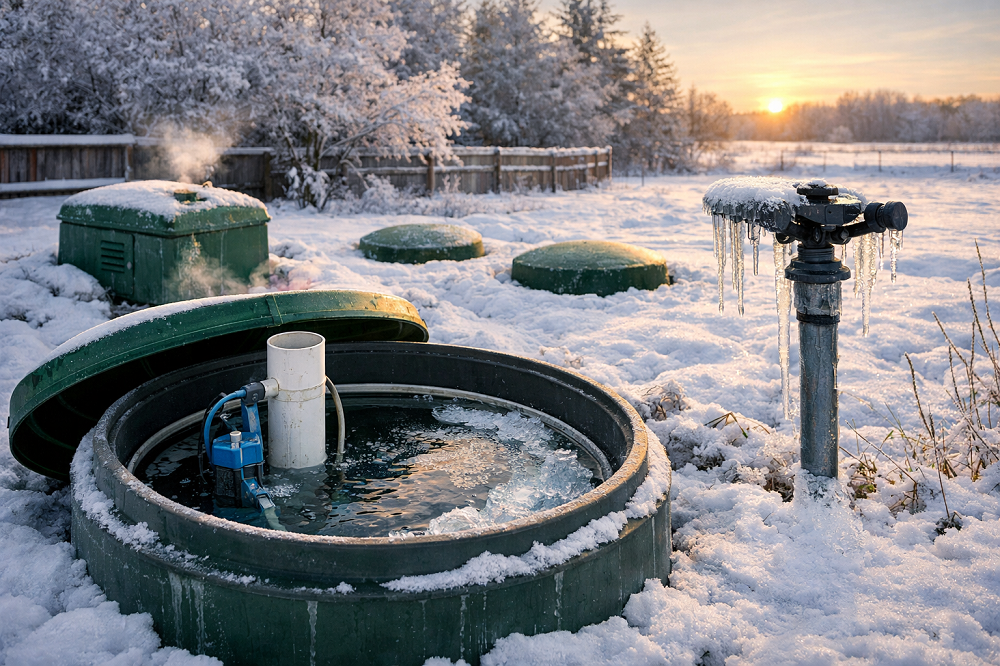
An aerobic septic system is a type of wastewater treatment system designed to work more efficiently and cleanly than traditional anaerobic systems. These systems use oxygen to break down waste, often resulting in cleaner effluent and reduced odor. A key component of an aerobic septic system is the aerobic spray tank, which holds treated water before it is sprayed over a designated area. However, when temperatures begin to drop during the winter months, this system faces challenges that homeowners must take seriously.
As with many water-based systems, freezing temperatures can cause major damage if proper precautions are not taken. While the main tanks of an aerobic septic system are usually buried and insulated by soil, the aerobic spray tank is often more vulnerable. If water is left standing in this tank when a hard freeze sets in, it can freeze and expand, potentially leading to cracked pipes, broken spray heads, or damaged pumps. For those living in colder climates or regions that occasionally experience sharp freezes, winter maintenance becomes more than just a good practice; it becomes a necessity.
The Risk of Freezing in the Aerobic Spray Tank
The aerobic spray tank is the final step in the treatment process, where disinfected water is held until it is time for distribution through spray heads. Since this tank usually sits closer to the ground’s surface, it is more exposed to freezing temperatures than deeper components of the system. Spray heads and external piping are especially susceptible to freeze damage because they often contain residual water that does not drain automatically.
If the water in the aerobic spray tank freezes, the consequences can be both immediate and long-term. First, the frozen water can cause mechanical components like valves and nozzles to crack or break. Second, the pressure of expanding ice can damage the walls of the tank or the pump mechanisms inside. In the worst cases, these failures can shut down the entire system, leading to costly emergency repairs and possible sewage backups on your property.
Additionally, if the spray distribution system becomes clogged or inoperable due to freezing, treated water has nowhere to go. The tank can quickly fill beyond capacity, triggering system alarms or overflowing altogether. This presents not just a mess, but a potential health hazard, especially in residential neighborhoods.
Why Draining the Spray Tank Is Critical
To avoid the risks associated with freezing, homeowners are strongly advised to drain the aerobic spray tank before the first major freeze of the season. Doing so removes standing water that would otherwise turn into ice, protecting both internal and external components from damage. Draining the tank may involve manually emptying it, adjusting the settings on the control panel, or having a service technician perform a seasonal maintenance check.
By taking this step, you significantly reduce the risk of mid-winter system failures. Most aerobic systems are not designed to handle long periods of freezing weather without some intervention. Even in areas with mild winters, occasional cold snaps can come unexpectedly and with enough force to damage exposed components. Prevention is more cost-effective than repair, and a drained spray tank is far less likely to suffer from cracks, leaks, or other forms of damage.
Moreover, draining the aerobic spray tank does not harm the system’s functionality. Once temperatures rise again, the system can be restarted or refilled without issue. This simple action is a smart way to preserve the health and longevity of your aerobic septic system through the winter season.
Preparing for Winter: Additional Aerobic Septic Winter Maintenance
While draining the aerobic spray tank is essential, it is only one part of effective aerobic septic winter maintenance. Homeowners should also inspect their entire system for signs of wear or potential weakness. Electrical components, air compressors, and control panels should be checked to ensure they are protected from the cold and functioning properly.
It is also a good idea to insulate exposed pipes and risers where possible. Foam insulation sleeves or wrapping material can help keep vulnerable parts from freezing. Make sure that lids to all system components are tightly sealed and free of cracks. Any leaks or drafts can allow cold air into the system and increase the chance of freezing.
Regular maintenance checks throughout the colder months are recommended, particularly after especially cold nights. Listen for unusual sounds, watch for alarm lights, and make sure no puddles are forming near the spray field. These could be signs that the system is not operating properly and may require attention.
If you are unsure how to perform these tasks, consider scheduling a professional inspection. Many service companies offer winterization packages or one-time checkups to help prepare your aerobic septic system for the season. These professionals can also handle the process to drain the aerobic spray tank, giving you peace of mind that it has been done correctly.
When and How to Restart Your System in Spring
Once winter begins to ease and temperatures become more stable, it is time to prepare your aerobic septic system for regular operation again. If you drained the aerobic spray tank for the winter, refilling or restarting it should be done carefully to avoid complications. Before powering up the spray distribution system, check all pipes, spray heads, and fittings for any damage that might have occurred during freezing temperatures.
Ensure that the aerobic spray tank is clean and free of debris. Check your system’s control panel and make sure all settings are back to normal. If your system includes a chlorinator or UV disinfection unit, make sure it is operational and properly stocked or calibrated.
It is a good idea to test spray zones individually before putting the full system back into use. This allows you to confirm that no nozzles are blocked and that pressure levels are consistent. Any unusual noises, water pooling, or alarms should be addressed immediately before normal spraying resumes.
Again, if you are unsure how to perform these steps, contacting a service provider may be the best option. Spring is a popular time for maintenance and repairs, so schedule your appointment early if you plan to rely on professional help.
Conclusion
Caring for your aerobic septic system during winter is not just about avoiding inconvenience; it is about protecting a valuable part of your home’s infrastructure. The aerobic spray tank is particularly at risk when temperatures fall below freezing, and taking steps to drain the aerobic spray tank before a freeze can save you time, money, and frustration.
With proper aerobic septic winter maintenance, including inspections, insulation, and system checks, you can ensure your system continues to perform safely and effectively even during the coldest months. When spring arrives, a well-maintained system will be easier to restart, with minimal risk of long-term damage. Prioritizing winter care for your aerobic septic system ensures reliable operation all year long.
Need Septic Services in Cleveland, TX?
Welcome to All Pro Septic! We are a family-owned and -operated septic tank cleaning business. We can install, repair, and maintain septic tanks for residential, commercial, and industrial properties. We also provide line cleaning, sewage pump repair, and clean grease traps, lint traps, and aerobic systems. We always offer free estimates to better your convenience. Do not let your septic tank stop you from wanting to use the restroom. Call us today and get a quote!
Categorised in: Septic System Maintenance, Septic Systems
Comments are closed here.