Stop! Don’t Flush Those Baby Wipes: A Septic Disaster Waiting to Happen
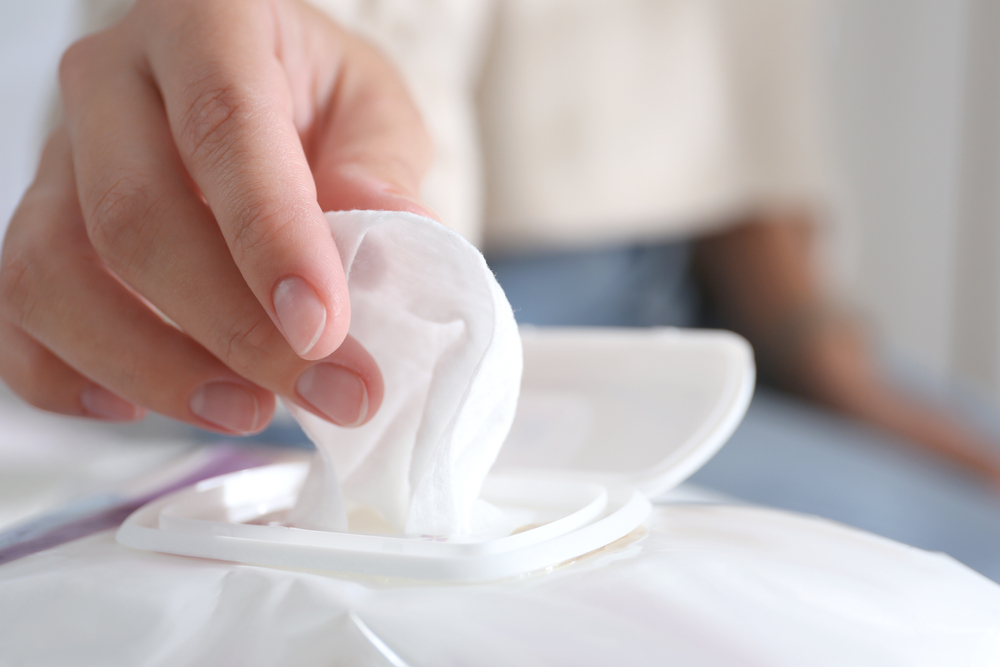
The convenience of baby wipes has made them a household essential. They clean quickly, travel easily, and feel far sturdier than regular toilet paper. Many brands even promote themselves as flushable, which leads countless homeowners to believe they are safe for septic systems. Unfortunately, flushing wipes of any kind puts your septic tank at serious risk. What looks like an easy disposal method often turns into a costly plumbing nightmare later. Understanding why wipes cause so much trouble can help you protect your investment, prevent backups, and keep your home safe from avoidable damage.
This article explores how wipes affect septic systems, what can happen when they accumulate, and how to practice long term septic system maintenance. With the right information, you can avoid expensive repairs and extend the life of your septic tank.
The Hidden Threat Behind “Flushable” Baby Wipes
Manufacturers often market wipes as biodegradable or sewer safe. These labels are misleading because biodegradation does not happen instantly. Toilet paper begins to break down almost immediately after entering water. Baby wipes do not. They are designed to stay strong when wet, which is ideal for cleaning skin but problematic for septic tanks.
When wipes enter your plumbing, they travel through pipes and accumulate inside the septic tank. Instead of dissolving, they remain fully intact. Over time they form dense clusters that block inlet and outlet lines. Once a blockage forms, it restricts the flow of wastewater throughout the system. This restriction puts strain on pumps, reduces tank efficiency, and eventually leads to slow drains, foul odors, and even sewage backups inside the home.
The most important truth is this. Even if a baby wipe says flushable on the label, it does not break down like toilet paper. Flushing them is never safe for your septic tank.
How Wipes Damage Your Septic Tank Over Time
Septic systems depend on a delicate balance of bacteria that break down organic waste. Anything that cannot decompose disrupts this natural process. Baby wipes are made from synthetic fibers such as polyester and polypropylene. These materials resist decomposition and remain in the tank for years. As wipes accumulate, the internal volume of the tank effectively shrinks. This forces solids to migrate faster into the drain field, which creates the potential for total system failure.
A clogged outlet baffle is one of the most common issues caused by wipes. The outlet baffle controls the movement of wastewater leaving the tank and entering the drain field. When it becomes blocked, wastewater cannot exit properly. Pressure inside the tank increases. Eventually wastewater reverses direction and returns to the home, resulting in unpleasant and hazardous backups.
Wipes also interfere with pumps used in certain types of systems. Grinder pumps and lift pumps are built to move wastewater, not heavy synthetic materials. When wipes wrap around the pump mechanism, they cause overheating, mechanical failure, and expensive replacements. This type of damage happens more frequently than most homeowners realize.
Practicing consistent septic system maintenance is the best way to prevent these problems, but maintenance alone cannot protect a system if wipes continue to be flushed.
The Costly Consequences of Flushing Baby Wipes
Many homeowners do not fully understand the financial impact that simple flushing habits can create. When wipes damage a septic system, repairs range from inconvenient to extremely expensive.
A minor blockage might be cleared by pumping the tank, but that service alone can cost several hundred dollars. If wipes make their way into the drain field, the situation becomes far more serious. A failed drain field often requires excavation, soil removal, new piping, and reconstruction. This type of repair can reach several thousand dollars.
Pipe obstructions inside the home are another risk. Wipes can lodge in bends or low points in the plumbing system. Clearing interior pipes sometimes requires specialized equipment and can lead to partial pipe replacements if the blockage causes long term deterioration.
Even more concerning is the possibility of contamination around the property. When wipes cause a septic tank to overflow, wastewater can seep into the surrounding soil. This creates health hazards and often requires environmental cleanup. Repairing this type of damage is tedious and expensive.
It is far easier and far cheaper to avoid flushing wipes in the first place. Septic tank care begins with mindful choices at the toilet.
Safe Alternatives and Better Habits for Septic Health
Many families appreciate the cleanliness of wipes and do not want to give them up entirely. Fortunately, there are safe alternatives. One option is to dispose of wipes in a designated waste bin rather than flushing them. This prevents them from entering the plumbing system at all.
Another option is to use septic safe toilet paper that is designed to dissolve quickly. For extra cleansing without flushing wipes, some homeowners install bidet attachments. These devices use water for cleaning and are far more septic friendly. They also reduce paper consumption, which benefits the system over time.
In addition to avoiding wipes, a consistent septic system maintenance routine is essential. This includes having the tank pumped at recommended intervals based on household size and water use. It also means limiting materials that enter the system. Feminine hygiene products, paper towels, cotton swabs, and cleaning wipes should go in the trash instead of the toilet. These items behave similarly to baby wipes and contribute to the same issues.
Another important habit is managing water usage. Excess water entering the system strains the tank and disrupts its natural settling process. Spreading out laundry loads, repairing leaks, and installing low flow fixtures all promote efficient septic function.
When homeowners combine smart flushing habits with proactive maintenance, the longevity of the system improves dramatically.
What Experts Say About Flushability and Septic Safety
Plumbing professionals consistently warn against flushing wipes. Industry tests show that wipes remain fully intact after hours and even days submerged in water. Sewer workers report clearing massive clogs made of wipes and other non dissolvable materials. These blockages, often referred to as fatbergs, form in city sewer systems, and similar clumps form inside septic tanks.
Research also confirms that no baby wipes septic system combination is truly compatible. Even wipes marketed as biodegradable require months or years to break down. Septic tanks operate on a much shorter timeline. Wastewater must move freely through the system. Any material that does not break down quickly disrupts this process.
Another expert concern involves chemical additives. Many wipes contain fragrances, preservatives, and lotions. These ingredients can interfere with bacterial activity inside the tank. When bacteria levels drop, solids do not break down properly, which increases the frequency of pumping and raises the risk of clogs.
The best advice from professionals is simple. If you want long term septic tank care, keep wipes out of your plumbing entirely.
Conclusion
Baby wipes are useful and convenient, but they pose a significant threat to any home that relies on a septic system. Despite marketing claims, wipes do not break down like toilet paper. They clog pipes, damage pumps, overwhelm tank capacity, and cause expensive system failures. Practicing responsible habits protects your investment, safeguards your property, and keeps your home functioning smoothly.
If you have wondered are baby wipes flushable, the answer is no when you own a septic system. The safest choice is to treat wipes like household trash instead of plumbing waste. With proper septic tank care and consistent awareness of what goes down the drain, your system can operate reliably for decades.
Need Septic Services in Cleveland, TX?
Welcome to All Pro Septic! We are a family-owned and -operated septic tank cleaning business. We can install, repair, and maintain septic tanks for residential, commercial, and industrial properties. We also provide line cleaning, sewage pump repair, and clean grease traps, lint traps, and aerobic systems. We always offer free estimates to better your convenience. Do not let your septic tank stop you from wanting to use the restroom. Call us today and get a quote!
Categorised in: Septic System Maintenance
Comments are closed here.