Standing Water Around Your Septic Tank? Here’s What to Do Before It Gets Worse
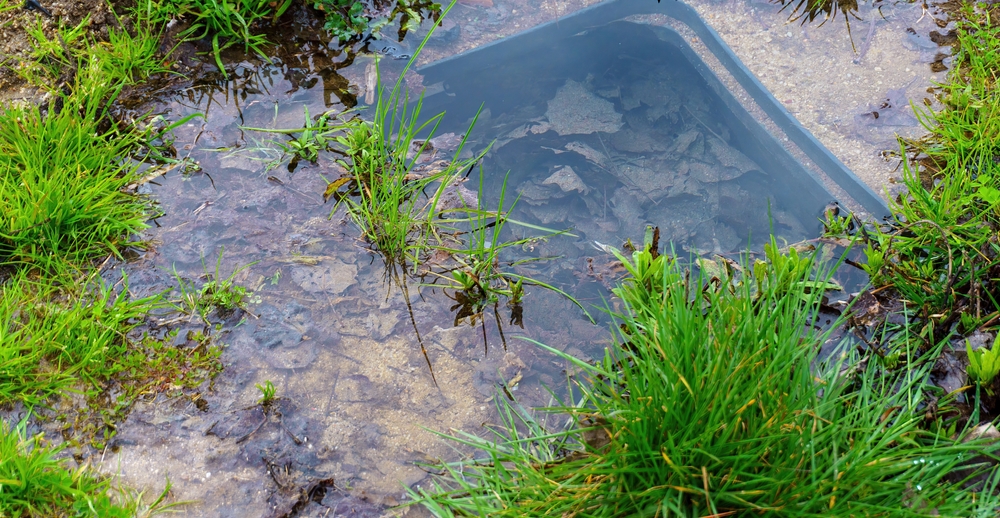
Septic systems are essential to homes that are not connected to municipal sewer lines. They silently perform the dirty work of treating household waste, but when they malfunction, the consequences can be messy, expensive, and hazardous. One of the most obvious red flags that something is wrong is standing water around the septic tank. This issue may seem minor at first, especially if it follows heavy rainfall, but it could be the start of a much larger problem: septic tank flooding. If not addressed quickly, it can lead to property damage, unpleasant odors, groundwater contamination, and costly repairs.
Understanding what causes standing water, how to diagnose the severity, and the actions you need to take can help you prevent a bad situation from getting worse. This blog will guide you through what you need to know and do when you spot water pooling around your septic system.
Why Standing Water Around Your Septic Tank is a Serious Warning Sign
It might be tempting to dismiss a puddle near your septic tank as a harmless result of a recent storm or a bit of overwatering in the garden. However, standing water in this area should never be ignored. It could signal that your septic system is oversaturated, blocked, or even failing. A properly functioning septic tank and drain field (also known as a leach field) are designed to absorb and filter wastewater into the soil without leaving any surface traces.
When water starts pooling around the tank or in the drain field, it’s often due to the soil being too saturated to absorb more wastewater. This could be caused by heavy rainfall, poor soil drainage, or high water tables, but it can also indicate internal problems such as a clogged drain field, a blocked pipe, or an overflowing tank. The presence of standing water around the septic tank is more than just an inconvenience; it’s a clear indication that your system is not functioning properly and may be in distress.
Ignoring the problem could lead to septic tank flooding, which can back sewage into your home, ruin landscaping, and create serious environmental hazards. The earlier you act, the less damage you’ll face.
Identifying the Cause of the Problem
Before you can fix the issue, it’s important to understand what’s causing the standing water. There are several common culprits, and narrowing them down is the first step toward resolving the problem.
First, consider the weather. Has there been a recent storm or prolonged period of rainfall? Excessive precipitation can saturate the ground and overwhelm your drain field’s ability to absorb wastewater. If the standing water appears only after a storm and dissipates after a day or two, your system might be functioning correctly, but it’s still worth checking.
Next, think about your water usage. Has there been an increase in household water use, such as hosting guests, doing extra laundry, or running water-intensive appliances? Overuse can cause the septic tank to fill faster than normal, overwhelming the system.
Another common cause is a blockage in the drain field or in the outlet pipe leading from the tank. Grease, solids, or invasive tree roots can obstruct the flow of water, leading to backups and surface pooling. In more serious cases, the septic tank itself may be overfull or damaged, which can prevent proper drainage and result in septic tank flooding.
Identifying the cause often requires a professional inspection, but paying attention to these signs can help you communicate effectively with a septic technician.
Immediate Steps to Take When You Notice Standing Water
When you first notice standing water around your septic tank, it’s important to act quickly but carefully. Avoid walking or driving over the affected area, as this can further compact the soil and damage the system. Additionally, keep children and pets away from the area, since the water may contain harmful bacteria and pathogens.
The first thing you should do is reduce water usage in your home. The less water you send into the system, the better chance it has to recover if the problem is temporary. Avoid doing laundry, running dishwashers, or taking long showers until the issue is resolved.
If you suspect that the problem may be due to heavy rains, monitor the area for a few days. If the water begins to drain away naturally and doesn’t return, you may be in the clear. However, if the standing water persists or worsens, you’ll need to contact a licensed septic service professional. They can pump the tank if needed, check for blockages, inspect the drain field, and assess the overall health of your system.
You should also avoid attempting DIY fixes like digging around the tank or adding chemicals to the system. These can do more harm than good and potentially violate local regulations.
Long-Term Solutions to Prevent Septic Tank Flooding
Once the immediate issue is addressed, it’s essential to focus on long-term solutions that can prevent future problems. Regular maintenance is the most effective way to keep your system in good working order. This includes pumping the tank every three to five years, depending on household size and water usage, and having a professional inspect the system regularly.
You should also be mindful of what you flush or pour down drains. Non-biodegradable items, grease, coffee grounds, and harsh chemicals can all contribute to clogs and damage the microbial balance in the tank. Using septic-safe toilet paper and cleaning products can help maintain the health of the system.
Landscaping plays a big role as well. Avoid planting trees or shrubs with aggressive root systems near the septic tank or drain field, as roots can invade and block pipes. Also, ensure that stormwater runoff is directed away from the system, as excess surface water can lead to oversaturation.
If your property has poor drainage or your system is consistently struggling with excess water, you may want to consider upgrading or redesigning your septic system. Solutions like installing a curtain drain or relocating the drain field to a drier area can significantly improve performance.
When to Call a Professional
Many septic system issues can be avoided with preventative care, but once you notice signs like standing water around the septic tank, it’s time to bring in a professional. Attempting to diagnose or fix a flooded system without proper training can lead to injury, system damage, or contamination.
A licensed septic technician can assess the extent of the problem, determine the root cause, and provide appropriate remedies. This may include pumping the tank, jetting blocked pipes, or repairing damaged components. In severe cases of septic tank flooding, you may need a full system replacement, especially if the tank or drain field is no longer functional.
Professionals can also help you understand the local regulations regarding septic systems, which vary by municipality. Some jurisdictions have specific rules about repairs, upgrades, and even how often systems must be pumped. Staying compliant can help you avoid fines and ensure that your home’s wastewater system is both legal and safe.
Conclusion
Standing water around your septic tank is more than just an unsightly inconvenience. It is a clear warning sign that something is wrong with your system, and ignoring it can lead to septic tank flooding and major headaches. Whether the issue is due to excessive rain, household overuse, or a mechanical failure, swift action is essential.
By understanding the potential causes and taking immediate steps to reduce water use and protect the area, you can mitigate the damage and buy time until a professional can assess the situation. Long-term solutions, such as regular maintenance, smart water usage, and mindful landscaping, can help ensure that your septic system continues to serve your household efficiently and safely.
Don’t wait until it’s too late. If you notice standing water around the septic tank, treat it as the urgent red flag it is. With the right attention and care, you can protect your property, your health, and your investment for years to come.
Need Septic Services in Cleveland, TX?
Welcome to All Pro Septic! We are a family-owned and -operated septic tank cleaning business. We can install, repair, and maintain septic tanks for residential, commercial, and industrial properties. We also provide line cleaning, sewage pump repair, and clean grease traps, lint traps, and aerobic systems. We always offer free estimates to better your convenience. Do not let your septic tank stop you from wanting to use the restroom. Call us today and get a quote!
Categorised in: Septic Service, Septic System Maintenance, Septic Tank Service
Comments are closed here.